
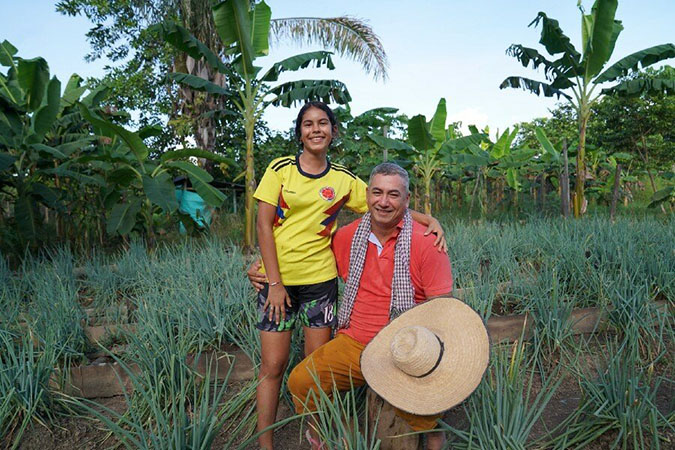
The Training and Reincorporation Centre may sound forbidding but it’s a place where former combatants in Colombia’s conflicts can learn poultry and fish farming with the support of the World Food Programme (WFP). Edgar, a FARC ex-combatant, is one of 187 former combatants and their families who take part in agricultural projects as part of a process to bring them all back into mainstream society. The aim is to train people to diversify both the production and consumption of food; while providing access to local markets.
WFP
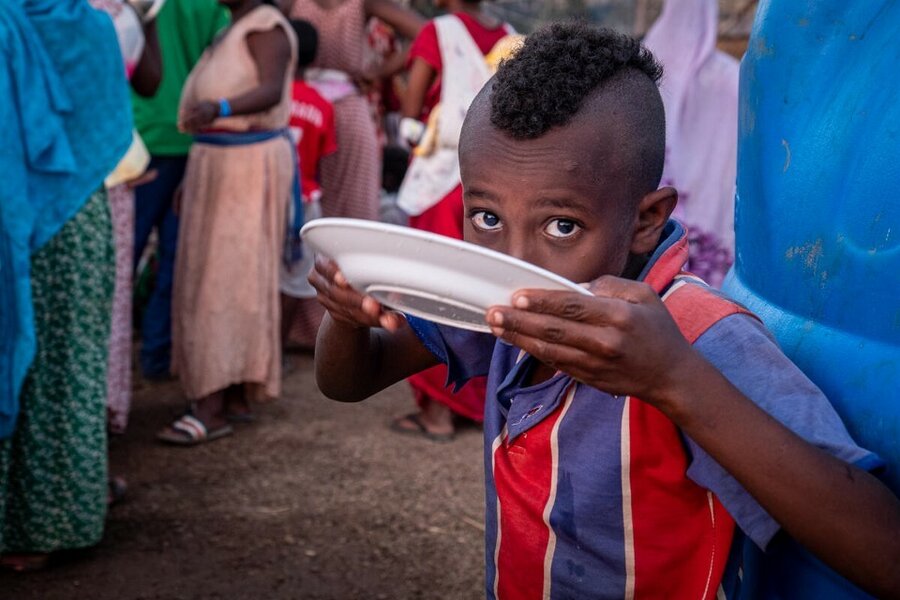
WFP responds as refugees from Ethiopia seek sanctuary in Sudan
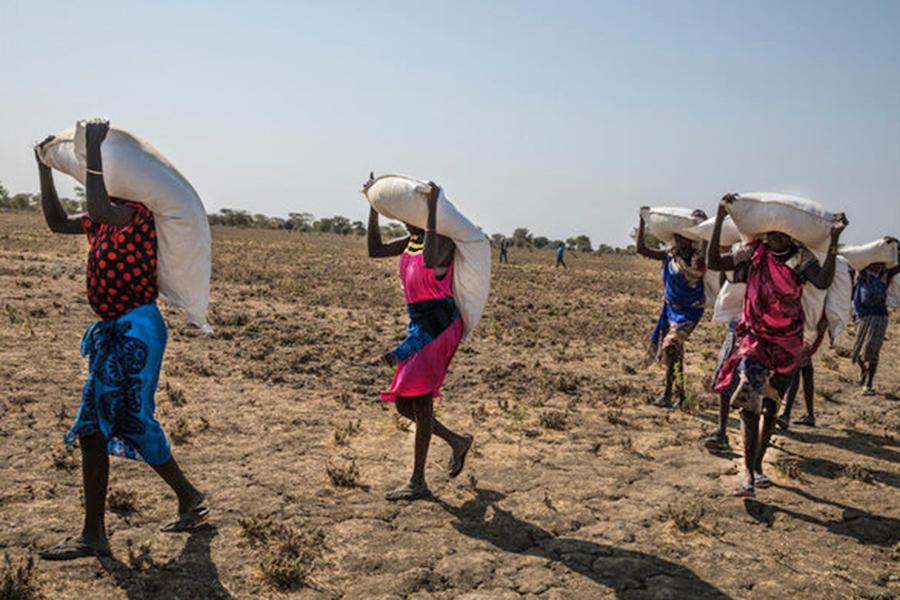
Having taken up his current position as WFP Country Director in Chad after experiences in war-torn countries — most recently, the Democratic Republic of the Congo (DRC) — Claude Jibidar has witnessed first-hand how conflict and hunger feed each other. “While conflict is widely acknowledged as one of the main drivers of hunger, there are also many examples where hunger is at the roots of conflict… We must come together to seek pathways to peace and stability and avert the loss of a generation of children to hunger and malnutrition induced by conflict,” says Jibidar.
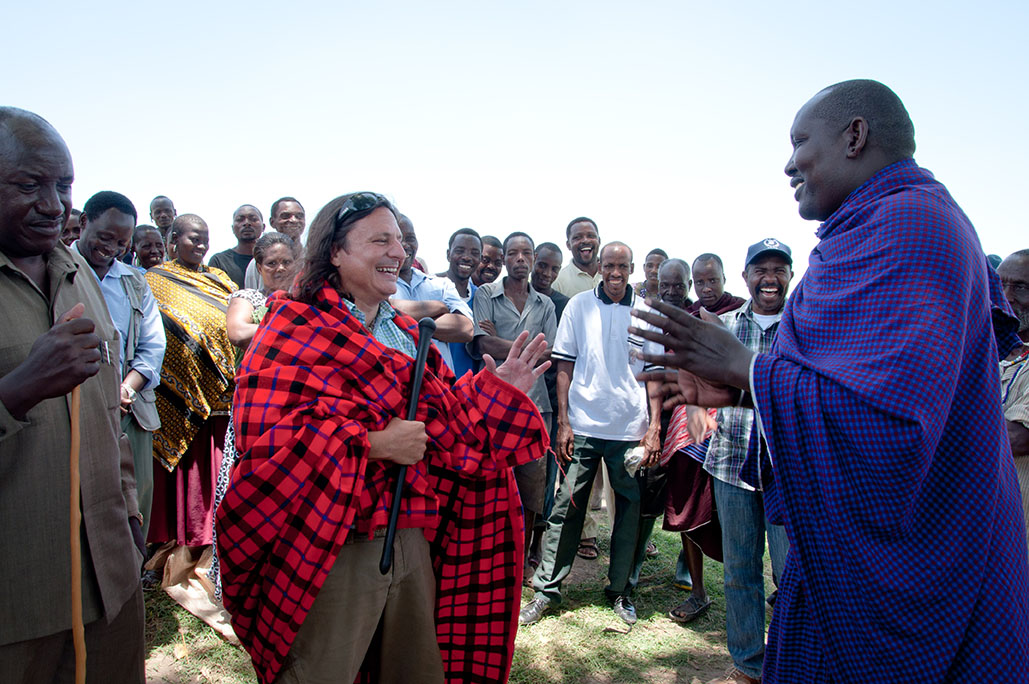
In this latest episode of Awake at Night, host Melissa Fleming speaks with Richard Ragan, the Country Director of the World Food Programme in Bangladesh. “I don't want one person that I'm responsible for to be hungry. And you know, that, that keeps me up at night, for sure. But the thing that scares me, probably more than anything, and, you know, there's no vaccination for it is, is climate change. You know, I think COVID is a wake-up call for all of us, it does not discriminate. It's like the waves or the mountains, it doesn't care.”

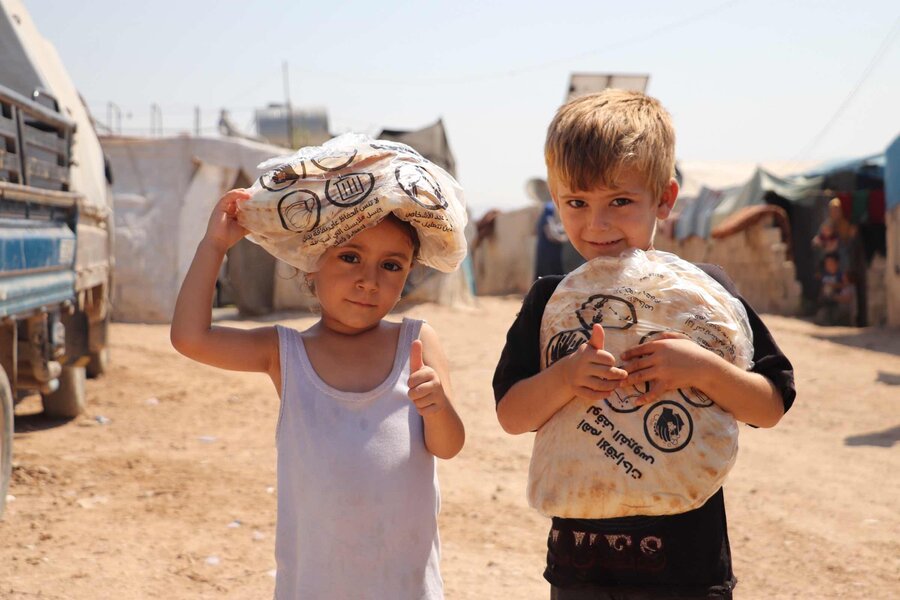
After more than nine years of conflict, life in Syria has never been harder. Food prices are soaring and the life families hoped they would rebuild is further away than ever. In the past year alone, the price of basic foods has increased by a staggering 247 percent. Putting a basic meal on the table has never been so difficult during this crisis, which kicked off in 2011. Each month WFP provides life-saving food to 4.8 million Syrians.

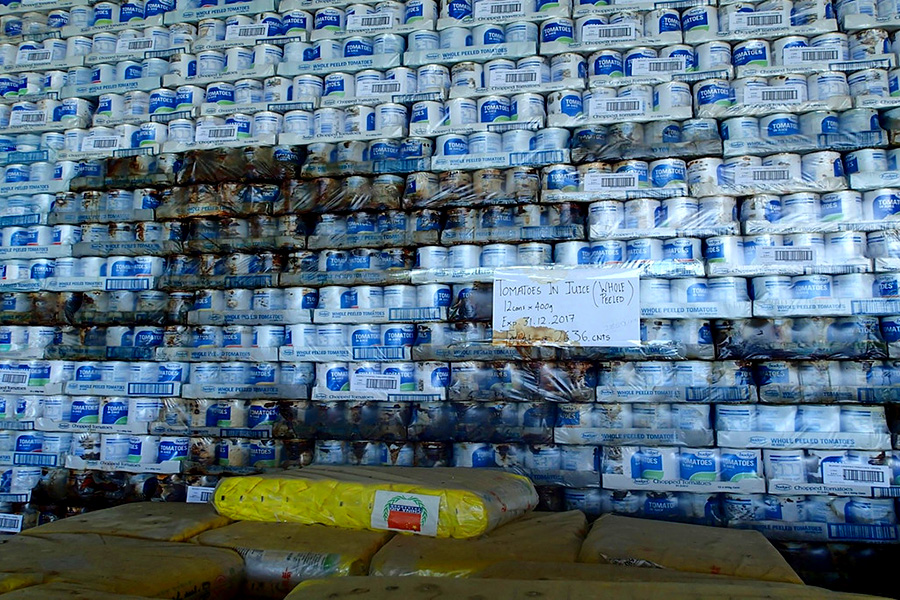
Donating goods overseas after disasters can be unhelpful and even harmful, and with the Pacific Cyclone season now in full swing, WFP has begun a campaign urging people to donate more responsibly.

‘Dear people of the world’: Two girls in Yemen, two letters for Children’s Day
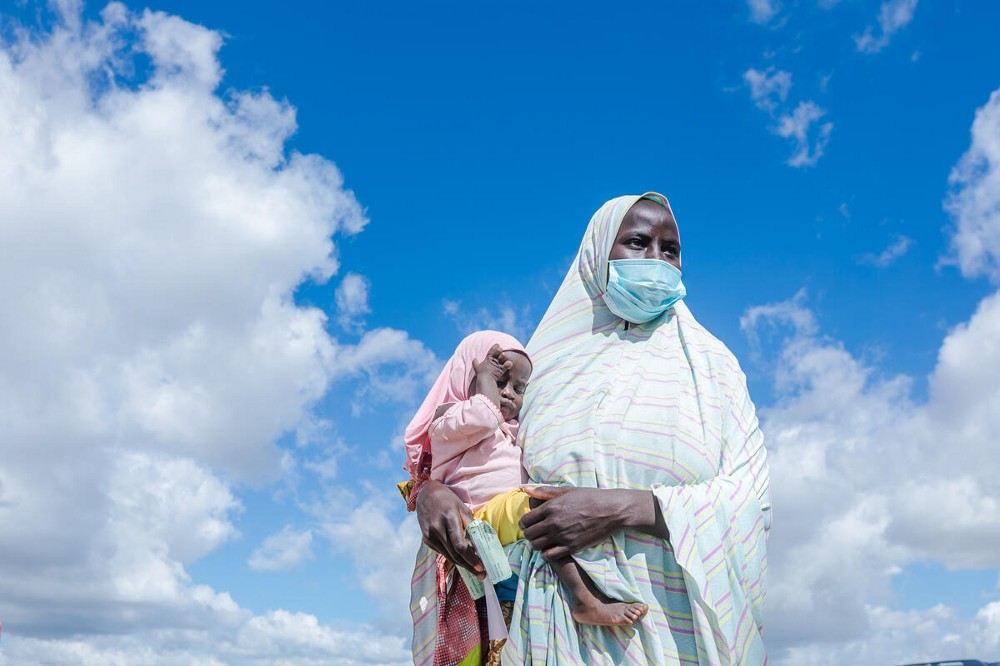
Coronavirus could push migrant workers and their families into hunger, UN agencies warn
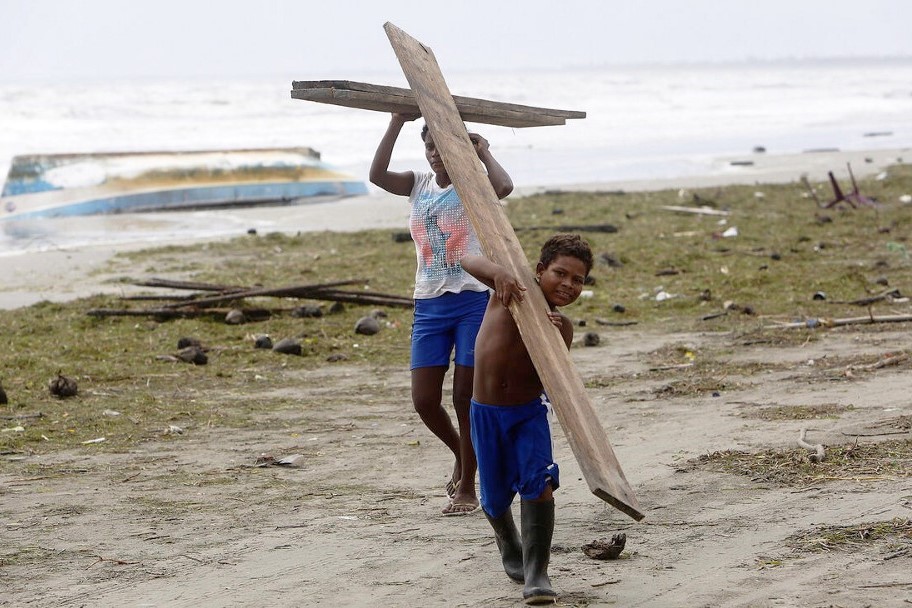
Nicaragua: ‘It’s scary to listen to the sounds of nature’
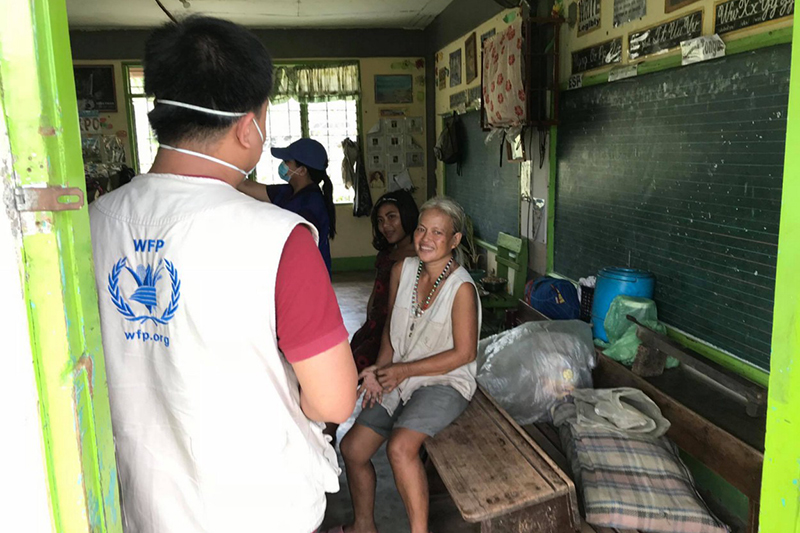
Typhoon Goni left several towns inaccessible and destroyed thousands of homes in the Philippines. WFP is working with UN sister agencies to gauge the food, shelter, electricity and emergency telecommunication requirements of survivors.
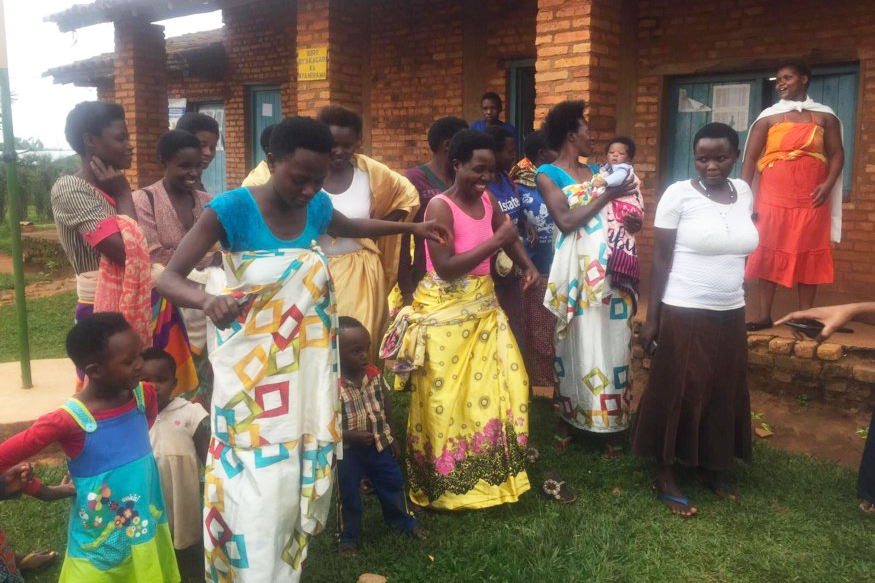
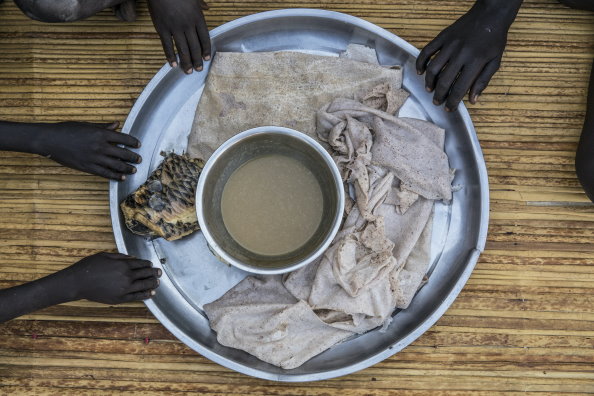
WFP’s Cost of a Plate of Food 2020 report highlights the countries where a simple meal such as rice and beans costs the most, when compared with people’s incomes.

As of being recognized by the Nobel Prize committee, WFP shares part of their success. A leading geographic information system is instrumental in supporting operations and access negotiations.