
WIPO celebrates the “can do” attitude of women inventors, creators, and entrepreneurs around the world – and their ground-breaking work and ingenuity that transform our world.
WIPO
WIPO calls for applicants for the 2023 Global Awards program, seeking small and medium-sized enterprises candidates that use intellectual property (IP)-backed innovation and creativity.

The recent success of Running Up That Hill thanks to TV show Stranger Things, shows how important it is for artists to manage their rights effectively, in particular, by registering their works.
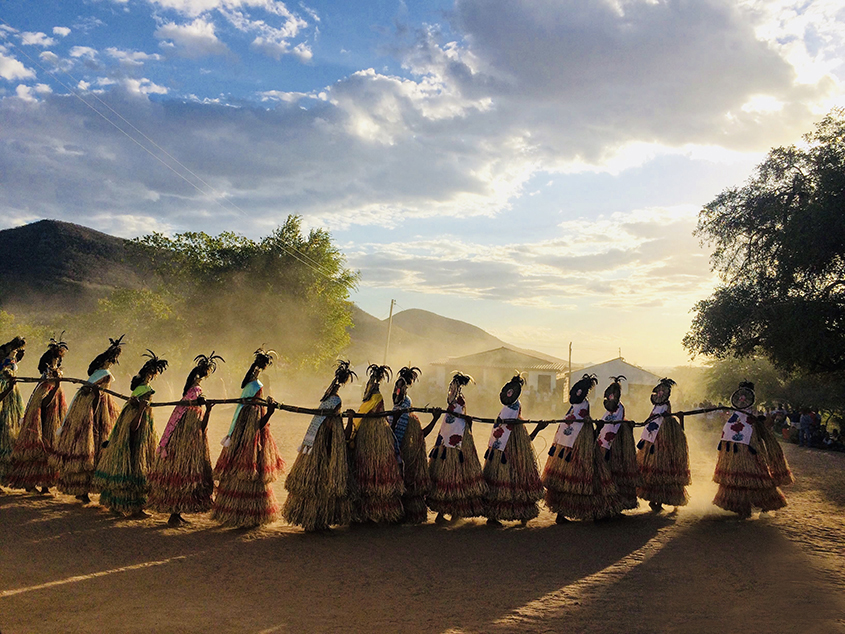
The WIPO Photography Prize encourages Indigenous and local community youth to express themselves on climate change and climate action – while raising their awareness on how copyright can be used to protect their creativity expressed in the photographs. Among the hundreds of applications received, Joanderson Gomes de Almeida, 30, an indigenous Pankararu from Brazil was chosen as the first place winner of the competition. His photograph shows a tradition called the Pulling of the Vine, which helps to predict whether the coming year will be one of good harvests, abundance and good rains.

Innovation in transport-related hydrogen fuel cells has boomed for the technology that can power vehicles without the emissions that contribute to global climate change, a new WIPO report shows.
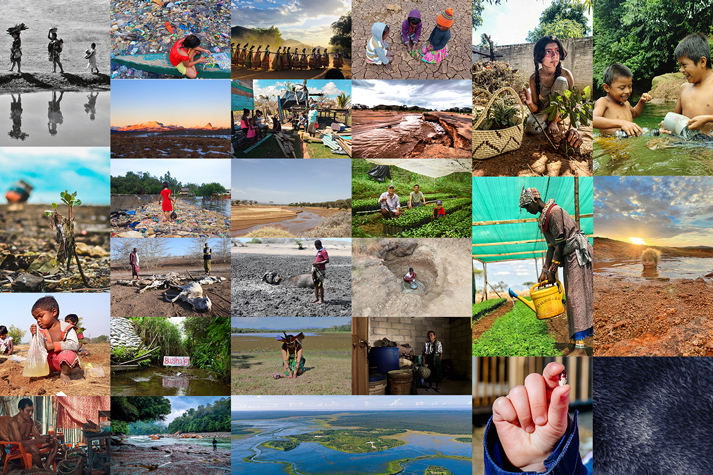
Mother Earth through our Lenses, the WIPO Photography Prize encourages Indigenous and local community youth to express themselves on climate action, while learning about copyright.

In spite of the human and economic toll of the COVID-19 pandemic, governments and enterprises in many parts of the world have increased their investments in innovation, according to the 2021 Global Innovation Index.

WIPO is pioneering a Young Experts Program to train the next generation of global Intellectual Property (IP) leaders to help build innovation ecosystems around the world.

Take the WIPO virtual tour around the world to discover examples of global geographical indications - signs linking products to a specific place of origin, a certificate of authenticity.

WIPO reports on how luxury goods markets find robust intellectual property portfolios behind famous brands, which tend to be worth a substantial amount of the entire companies.
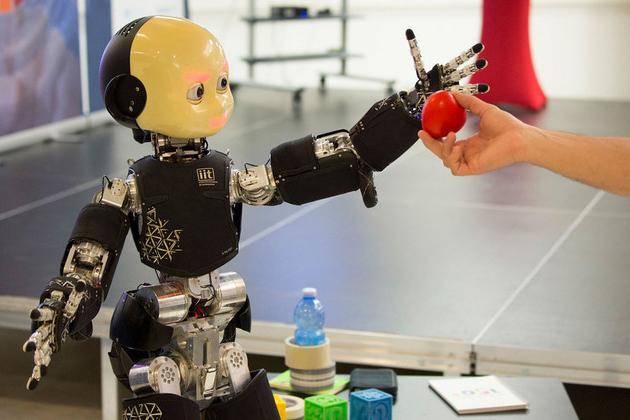
By 2030, two billion people are expected to rely on so-called “assistive” technology aids in their daily lives to eat, see, hear and even get dressed, according to UN patent experts at WIPO, the World Intellectual Property Organization.
It will also be possible to flag when anyone suffering from severe depression or other degenerative brain conditions might need help from a relative or carer, as Irene Kitsara from WIPO tells UN News’s Daniel Johnson.
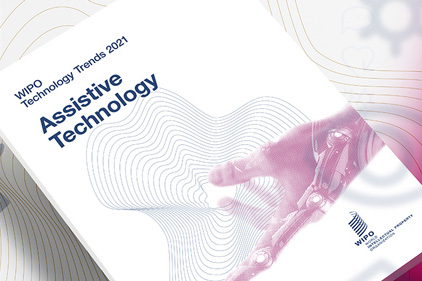
According to the WIPO Technology Trends Report 2021: Assistive Technologies, over 1 billion people currently need assistive technology - a figure expected to double in the next decade as populations age. At the same time, consumer electronics and assistive products are converging, meaning even greater commercialization of these technologies. The report shows that innovations, ranging from small improvements to cutting-edge developments in frontier technologies, can improve the lives of persons with functional limitations.
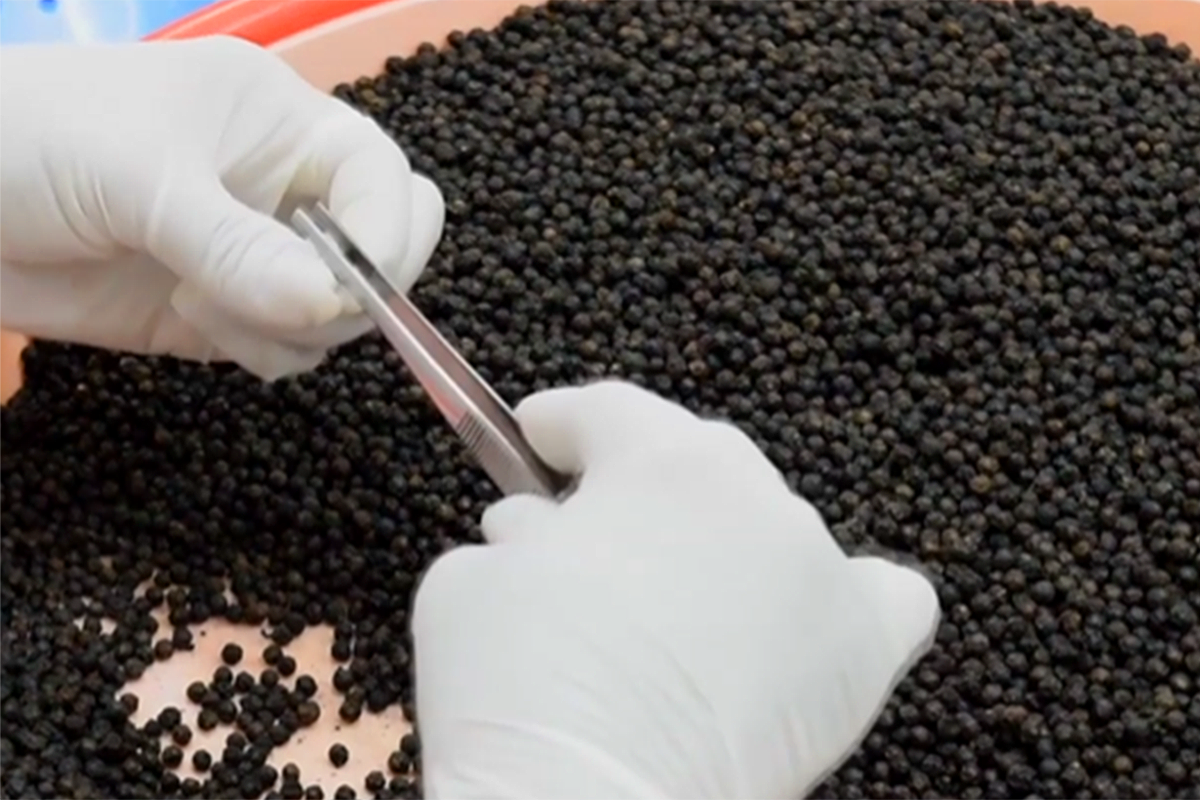
Cambodia has recorded Kampot Pepper as the first geographical indication registered via the WIPO, protecting its geographic origin.

The WIPO Arbitration and Mediation Center has registered its 50,000th “cybersquatting” case, a major milestone capping two decades of pro-consumer activity ensuring Internet users can easily find genuine sites for the brands they love and trust. The Uniform Domain Name Dispute Resolution Policy (UDRP) is at the heart of WIPO’s anti-cybersquatting service. It was created in 1999 by WIPO and is used by brand owners around the world to combat abuse of their trademarks in domain names.

Today, the works of almost no living composers are performed on global opera stages. Is granting exclusive rights to new opera works actually excluding them from the stage?