
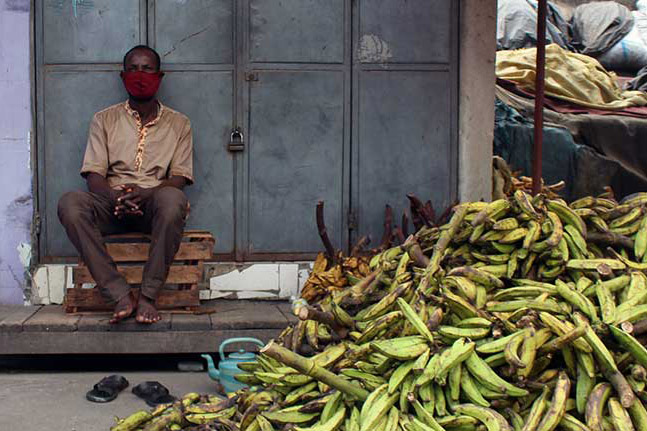
The number of working hours lost across the world in the first half of 2020 was significantly worse than previously estimated, while the highly uncertain recovery in the second half of the year will not be enough to go back to pre-pandemic levels, even in the best scenario, and risks seeing continuing large scale job losses, warns the International Labour Organization (ILO). According to the ILO Monitor: COVID-19 and the world of work: 5th Edition there was a 14 per cent drop in global working hours during the second quarter of 2020, equivalent to the loss of 400 million full-time jobs.
ILO
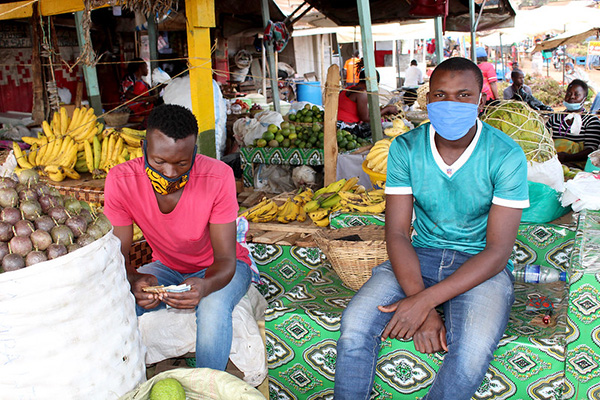
Tens of millions of migrant workers, forced to return home after losing their jobs due to the COVID-19 lockdown, face unemployment and poverty in their home countries, warned the ILO. Millions of migrant workers may be required to return home where labour markets, are now further weakened by the additional strain of high levels of unemployment and serious business disruptions. In addition, their families will suffer from the loss of the remittances normally sent to them.

The sustainable production of coffee, and indeed other crops, is more of a cultural rather than environmental commitment according to the manager of the largest coffee farm in the United States.
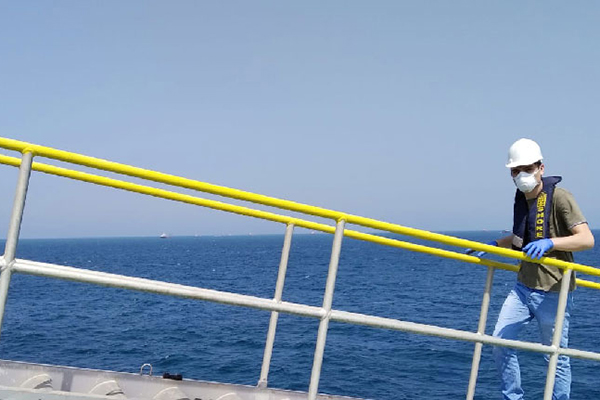
ILO has called for urgent and coordinated action to release the 150,000 to 200,000 seafarers trapped on board ships around the world because of measures to contain the COVID-19 virus.
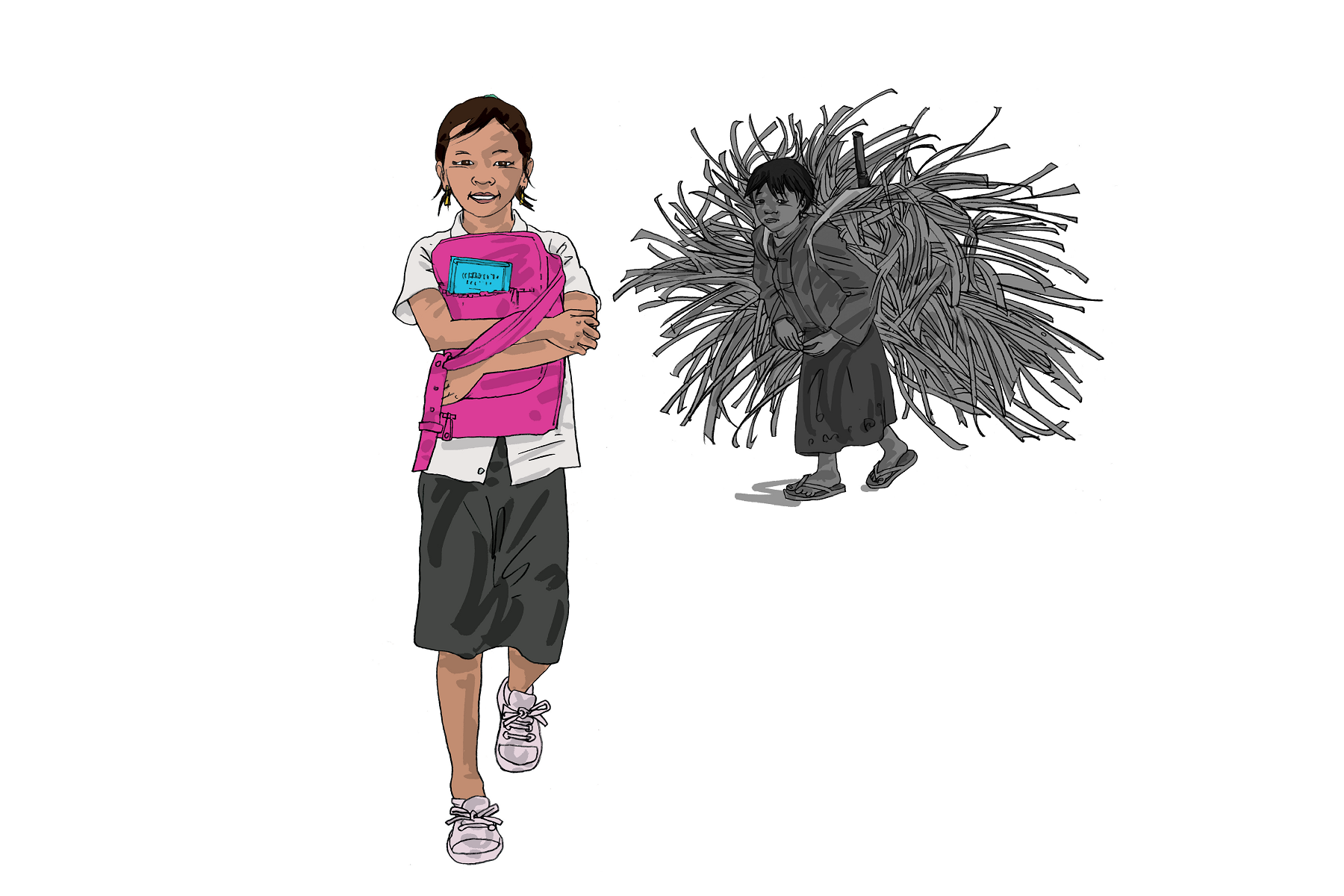
The COVID-19 pandemic presents unprecedented risks to the rights and safety and development of children. World Day Against Child Labour 2020 focuses on the impact of crisis on child labour and calls upon countries and organizations to protect the most vulnerable during crisis management and recovery. On 12 June, the International Labour Organization is organizing an online high-level debate to stimulate dialogue on the importance of protecting children from child labour in COVID-19 response and recovery plans. Get involved!
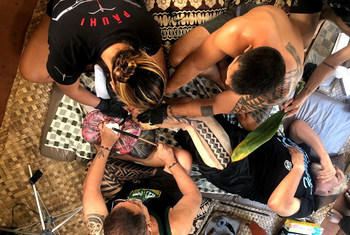
The teaching of traditional cultural practices like tattooing not only preserves cultural identities but underlines the important role indigenous people can play in the modern world; that’s according to a practitioner of the art of tattooing in Hawaii.
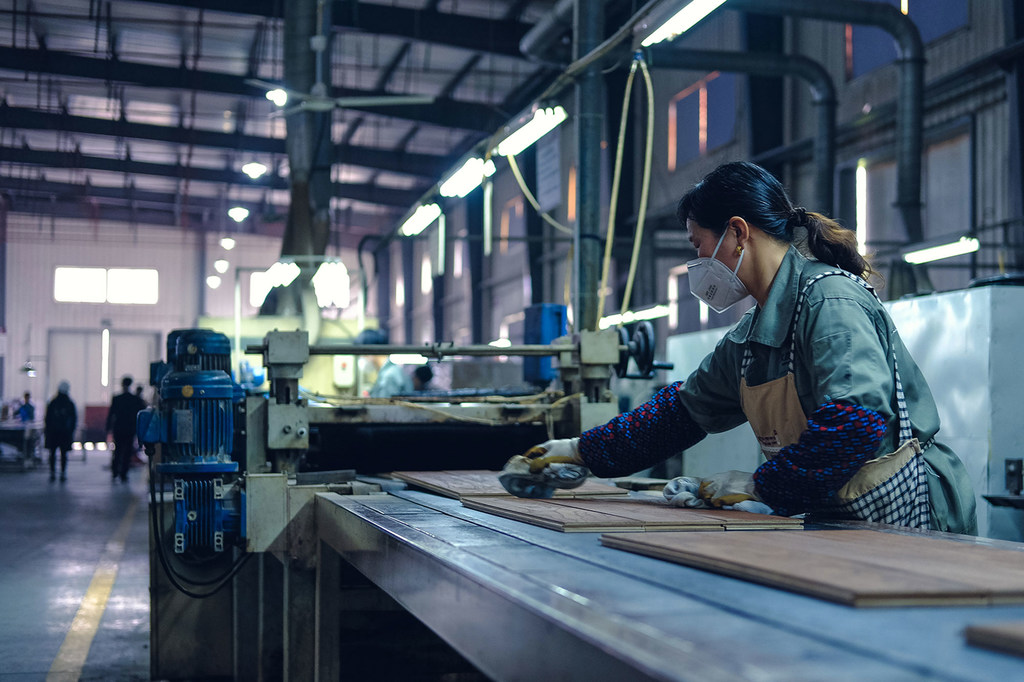
Return to work policies should be informed by a human-centred approach that puts rights and international labour standards at the heart of economic, social and environmental strategies and ensures that policy guidance is embedded in national occupational safety and health systems. Two guidance documents for creating safe and effective return-to-work conditions during the COVID-19 pandemic have been issued by the International Labour Organization (ILO).
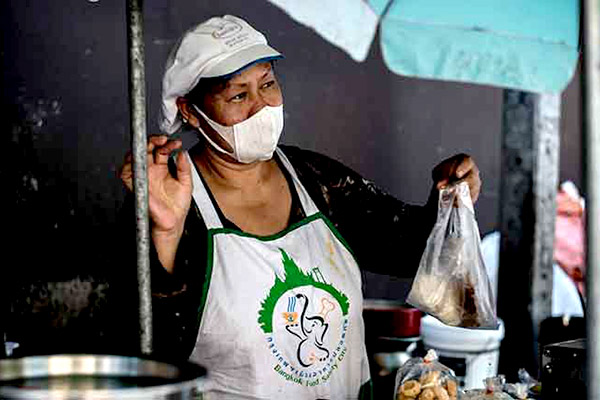
The COVID-19 crisis has exposed gaps in social protection coverage in developing countries, and recovery will only be sustained, and future crises prevented if they can transform their ad hoc crisis response measures into social protection systems, according to the ILO. While the virus does not discriminate between rich and poor, its effects are highly uneven. The brief also warns policymakers to avoid a singular focus on COVID-19 and not reduce access to care for other conditions.
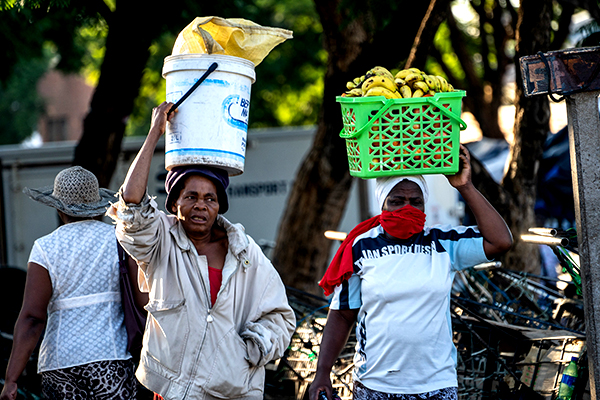
The Director-General of the UN labour agency describes the task before us of building a future of work which tackles the injustices that the pandemic has highlighted.
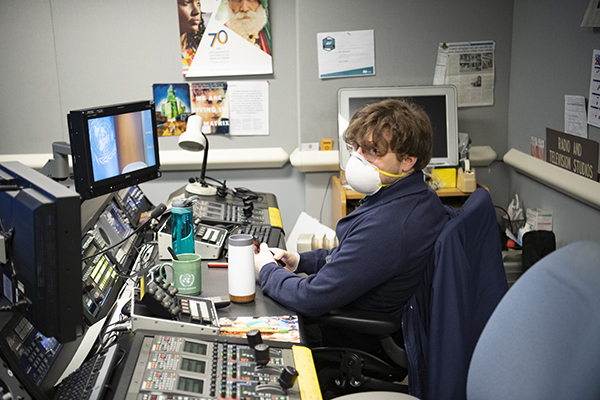
Collective efforts and solidarity between employers and workers organizations is critical to respond effectively to the impact of the COVID-19 pandemic in the world of work. COVID-19 has in many parts of the world jeopardized the health and safety of millions of people, and put immense pressure on businesses, jobs, and livelihoods. In crisis settings, collaboration and dialogue between employers and business membership and workers’ organizations can boost accelerated recovery.
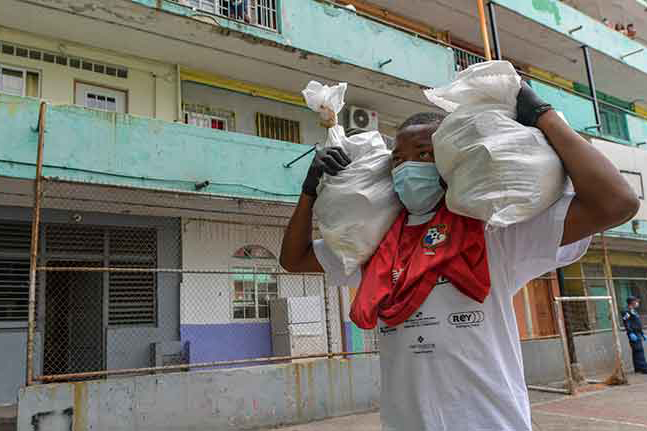
The COVID-19 crisis is expected to wipe out 6.7 per cent of working hours globally in the second quarter of 2020 – equivalent to 195 million full-time workers. Huge losses are expected across different income groups especially in upper-middle income countries (7 per cent, 100 million full-time workers). This far exceeds the effects of the 2008-9 financial crisis. The sectors most at risk include accommodation and food services, manufacturing, retail, and business and administrative activities.
The world of work is being profoundly affected by the global virus pandemic. In addition to the threat to public health, the economic and social disruption threatens the long-term livelihoods and wellbeing of millions.
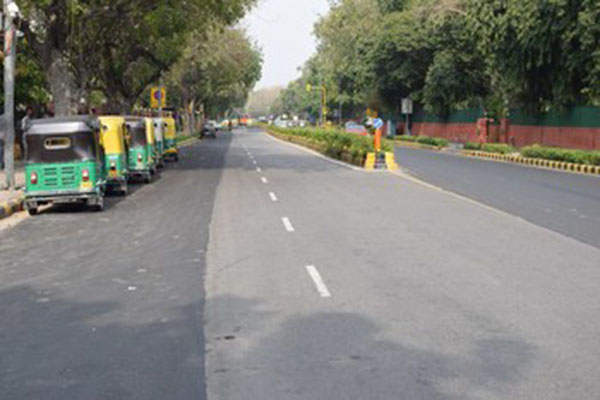
A new assessment by the International Labour Organization (ILO) shows the COVID-19 pandemic could increase global unemployment by around 25 million.

More than 935 million* workers have jobs that don't match their educational level. In low-income countries, employment is concentrated in low-skilled occupations requiring a lesser level of education and workers are more likely to be under-educated for their jobs. In high-income countries employment is concentrated more in occupations requiring higher skill levels, and workers’ under-education is less common. In high-income countries almost all workers in low-skilled jobs are over-educated. (*actual global figures are probably higher since the ILOSTAT data covers 114 countries).
Thirty years after the adoption of the only international Convention on the rights of indigenous peoples, a new ILO report finds they are sti