

Every 30 seconds someone loses their life to hepatitis B or C. Almost 90 percent of people living with viral hepatitis are unaware that they have it. World Hepatitis Day is observed each year on 28 July to raise awareness of viral hepatitis, which causes inflammation of the liver that leads to severe disease and liver cancer. On World Hepatitis Day 2022, WHO is highlighting the need for bringing hepatitis care closer to the primary health facilities and communities, so that people have better access to treatment and care, no matter what type of hepatitis they may have.
Health

UNRWA launched its annual Summer Fun Weeks (SFWs) last week to serve some 120,000 Palestine refugee children and youth in the Gaza Strip. SFW will be held between 25 June - 28 July and will be provide vital psychosocial support for child and youth impacted by the repeated rounds of conflict and violence they have survived. Some 42 per cent of first grade UNRWA students surveyed require psychosocial support.
Data show that restricting access to abortion does not prevent people from seeking abortion, it simply makes it more deadly. As UNFPA’s 2022 State of World Population report reveals, nearly half of all pregnancies worldwide are unintended, and over 60 per cent of these unintended pregnancies may end in abortion. A staggering 45 per cent of all abortions are unsafe, making this a leading cause of maternal death. Almost all unsafe abortions occur in developing countries, and UNFPA fears that more unsafe abortions will occur if access to abortion becomes more restricted.


Our mental health is a fundamental part to our overall health and well-being. UNICEF brings expert tips and resources to help parents support their child's and their own mental health.
Food security means having regular access to enough safe and nutritious food to lead an active and healthy life. That makes food safety an integral part of food security.
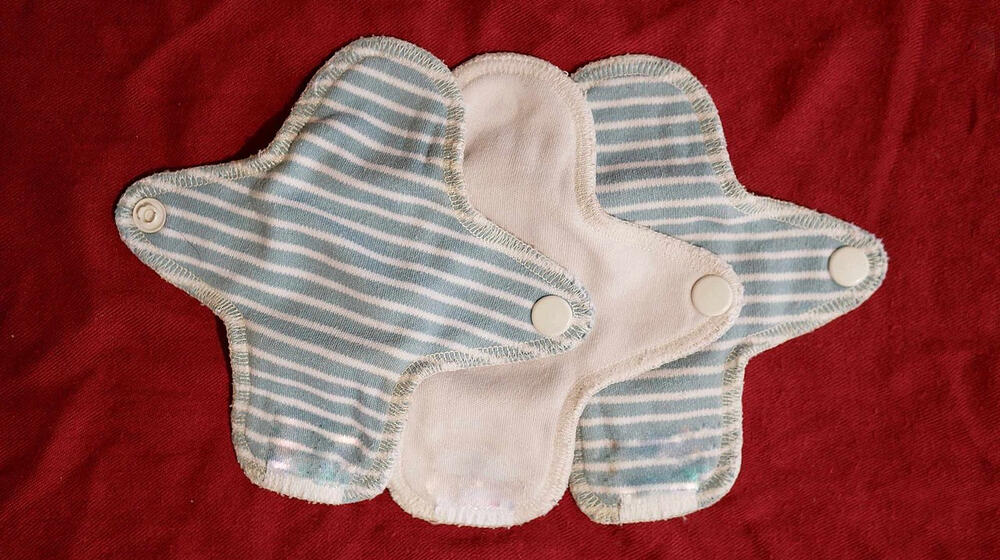
Menstruation is not only an issue of health, hygiene and dignity, but also a matter of gender equality and human rights.
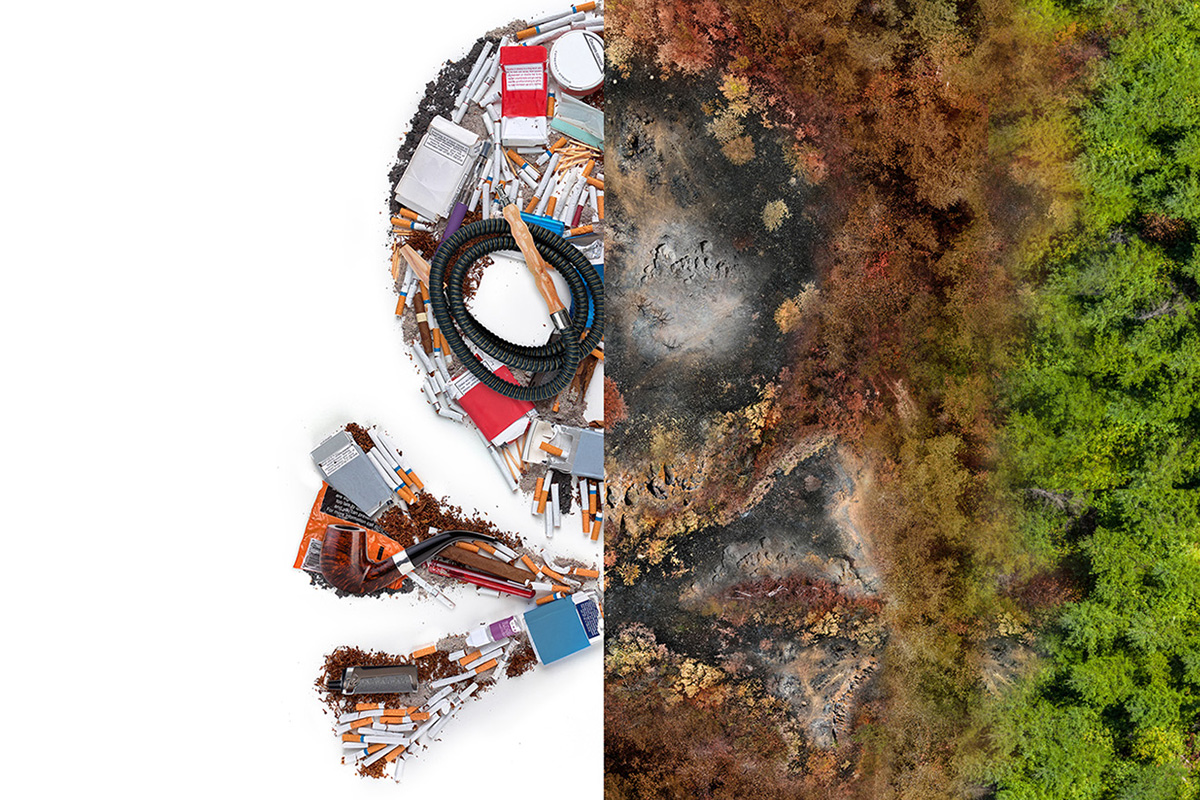
The harmful impact of the tobacco industry on the environment is vast and growing adding unnecessary pressure to our planet’s already scarce resources and fragile ecosystems. Tobacco kills over 8 million people every year and destroys our environment, further harming human health. This year’s campaign for World No Tobacco Day (31 May) aims to raise awareness on the environmental impact of tobacco – from cultivation, production, distribution and waste. It will give tobacco users one extra reason to quit.
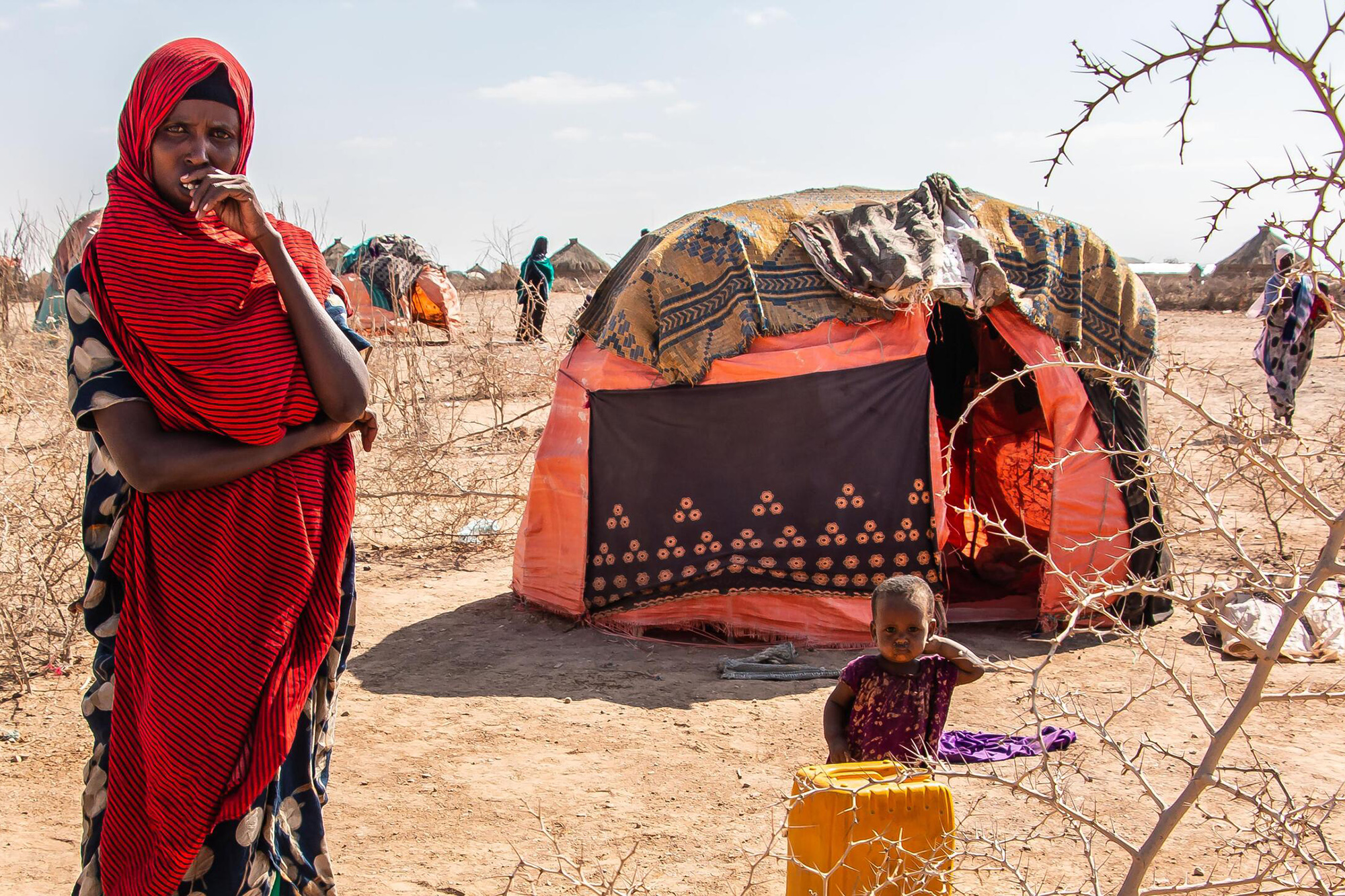
Akib Dahir, 27, arrived at the Gabi’as displacement camp with her eight children, after losing 180 goats and 15 camels to the drought. Her husband spends hours in the baking heat on an increasingly desperate hunt for pasture and water to keep their few remaining animals alive. “We are trying to save all we have,” she said. “The animals are almost worthless in the market. We can’t even feed our children.” The last three rainy seasons failed one after the other, blighting the lives and livelihoods of nearly 8 million people across and pushing eastern and southern areas of the country to the brink of famine. More than 286,000 people have been forced from their homes in search of survival as crops, livestock, and the hope of putting food on the table are all wiped out.

Obstetric fistula is a devastating childbirth injury, which also results in stillbirth in 90 percent of cases. The encouraging news is that obstetric fistula is not only treatable but preventable. UNFPA leads efforts to End Fistula in more than 55 countries in prevention, treatment and rehabilitation. This year’s International Day to End Obstetric Fistula highlights the need for investment towards quality healthcare to empower communities. Obstetric fistula is not only a development and public health issue, but also a human rights issue, granting the right to health and a life of dignity.

Skilled health professionals and timely, quality emergency obstetric care can help prevent the devastating childbirth injury of obstetric fistula. Find out more about it at endfistula.org

WHO highlights the increasing use of online marketing for alcohol and the need for more effective regulation - young people and heavy drinkers are increasingly targeted by advertising.
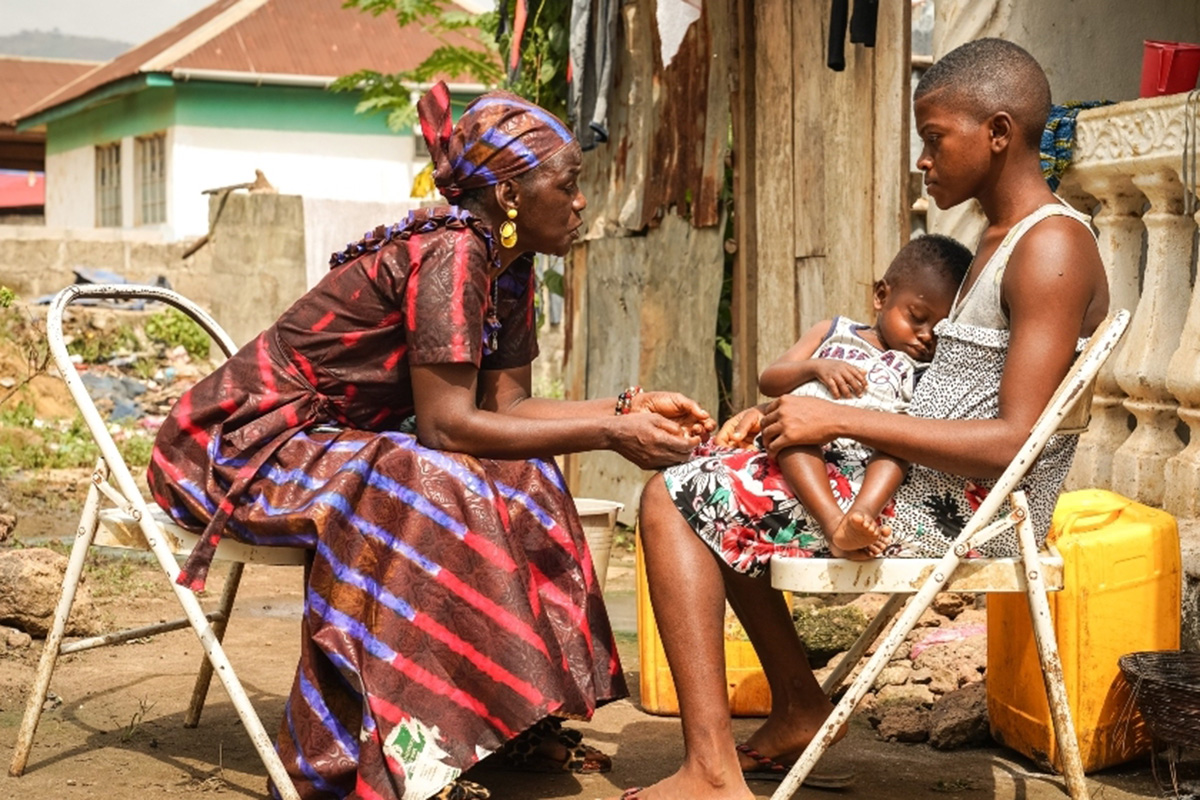
Nearly half of all pregnancies are unintended. UNFPA presents how unintended pregnancies can contribute to the shame, stigma and misunderstandings that must be overcome to end this crisis.

With data from an IAEA database obtained through a nuclear technique, a study found the body will offset calories burned performing exercise — with age and weight, the ratio gets even worse.
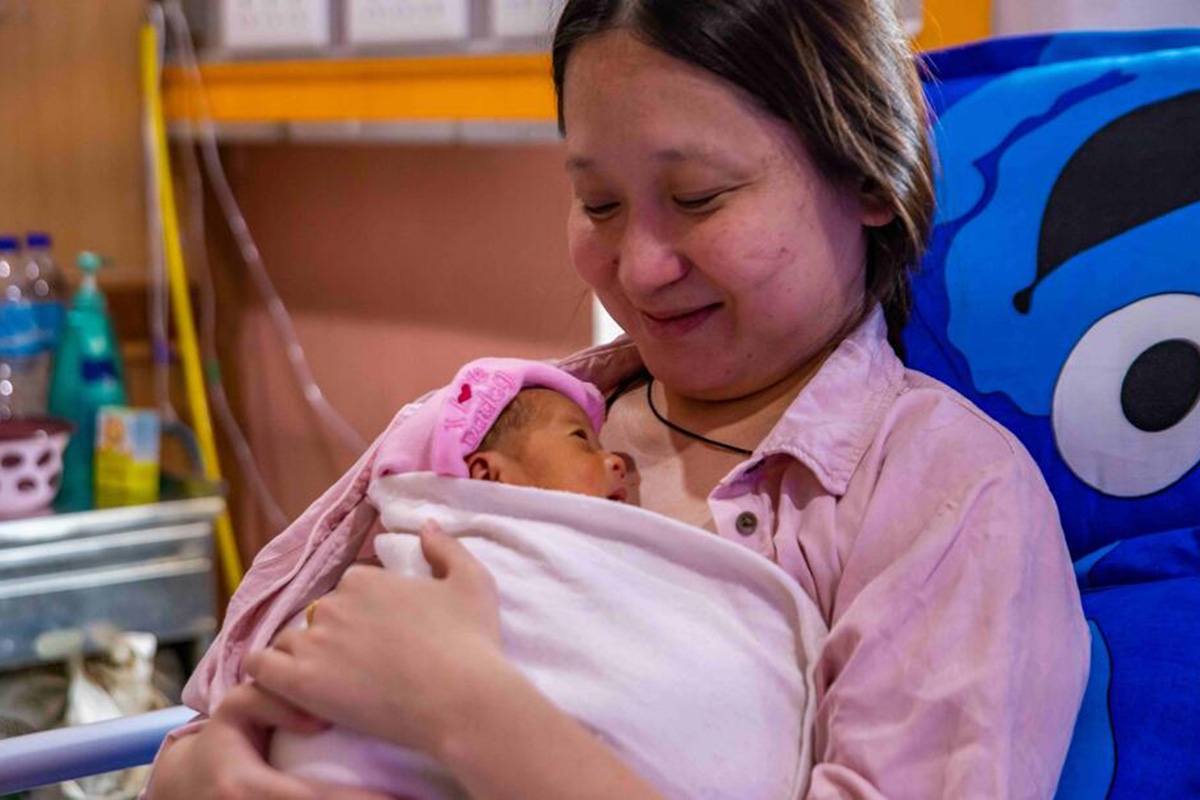
Midwives everywhere step up for women and newborns. The University of Medical Sciences of Bhutan began working with UNFPA to adapt midwifery training programmes for local health personnel.