
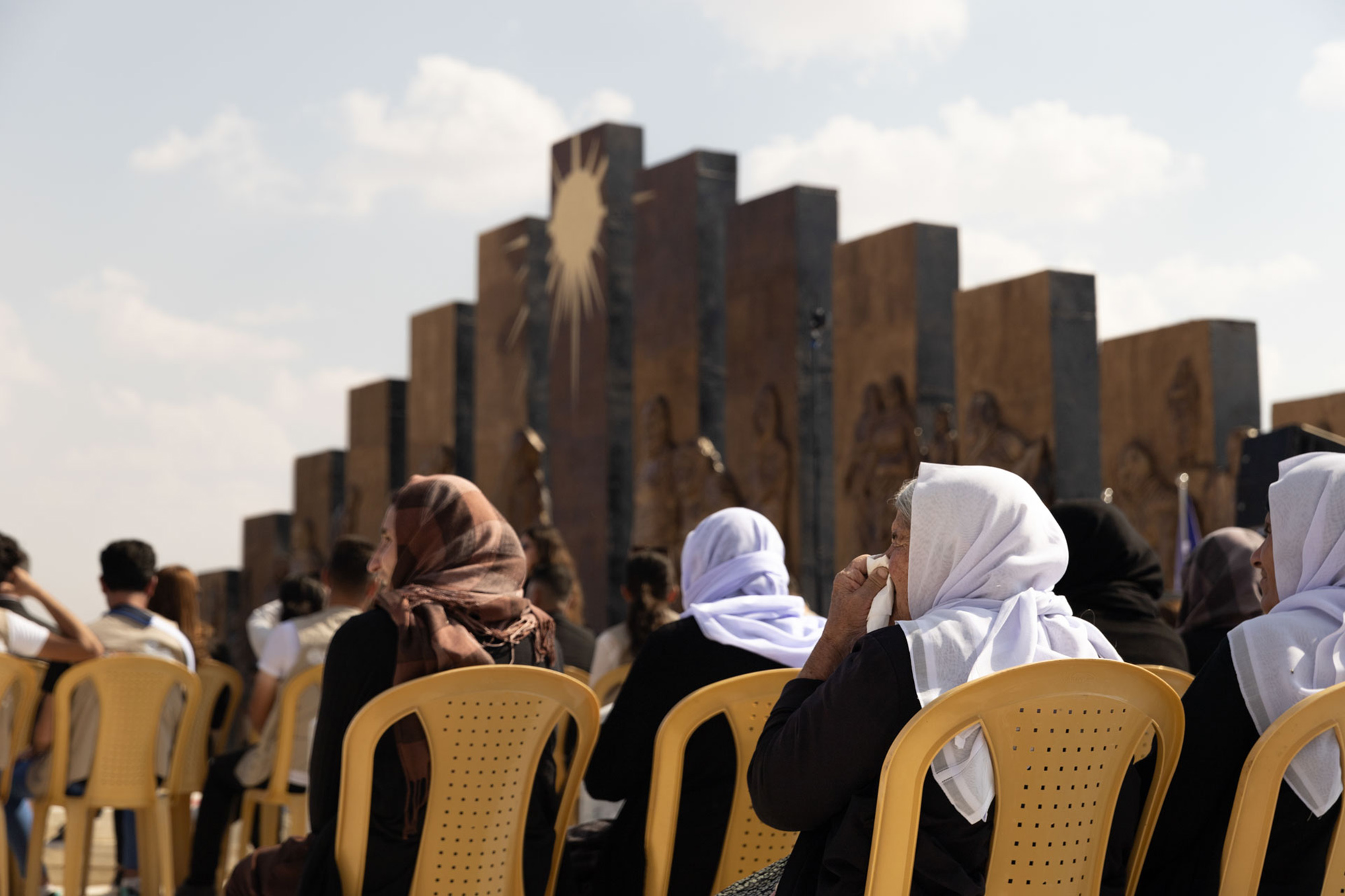
“When this genocide happened, I was right here,” Chinar, 18, said, standing before the Grave of Mothers in Solagh, Sinjar. “They separated the old women from the rest of us. I was 10 years old.” Nine years later, the site where nearly 90 Yazidi women were martyred by Daesh is forever memorialized with the Yazidi Genocide Memorial. Built at the request of survivors by Nadia’s Initiative, a nonprofit organization founded by Nobel Peace Prize winner Nadia Murad , and the IOM in Iraq, the memorial site pays homage to the resilience and courage of the Yazidi community, who endured systematic violence and persecution during the Daesh occupation.
Human Rights
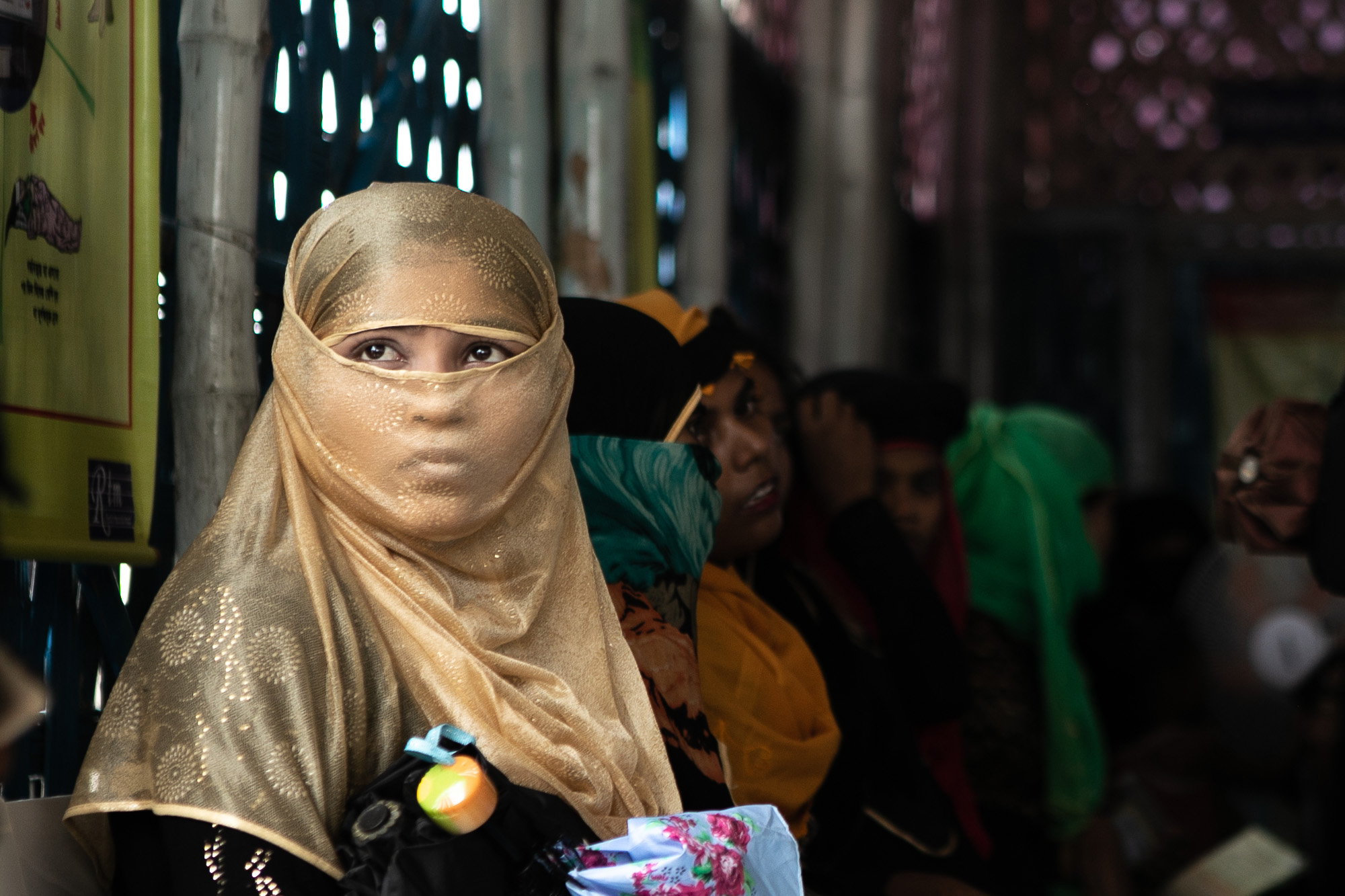
The sexual abuse and exploitation of children is a violation of human rights and a major public health issue with far-reaching implications for global well-being and development. The first World Day for the Prevention of and Healing from Child Sexual Exploitation, Abuse and Violence (18 November) aims to raise awareness of child sexual abuse, promote support for survivors, and emphasize the need to prevent and eradicate such exploitation while holding perpetrators accountable. On this day, let’s unite to end stigma against victims, protect their rights, and ensure their access to justice and remedies.

The challenge of ending impunity for offenses to reporters is crucial to ensure freedom of expression. The 2023 International Day to End Impunity for Crimes against Journalists (2 November) aims to raise awareness of the hurdles faced by reporters such as violence and repression against them, attacks on the press during social protests, and the use of judicial mechanisms against journalists. The theme also highlights the role of a safe and free press in ensuring the integrity of elections and democracies. States must protect the independent press and promote independence, sustainability and diversity.
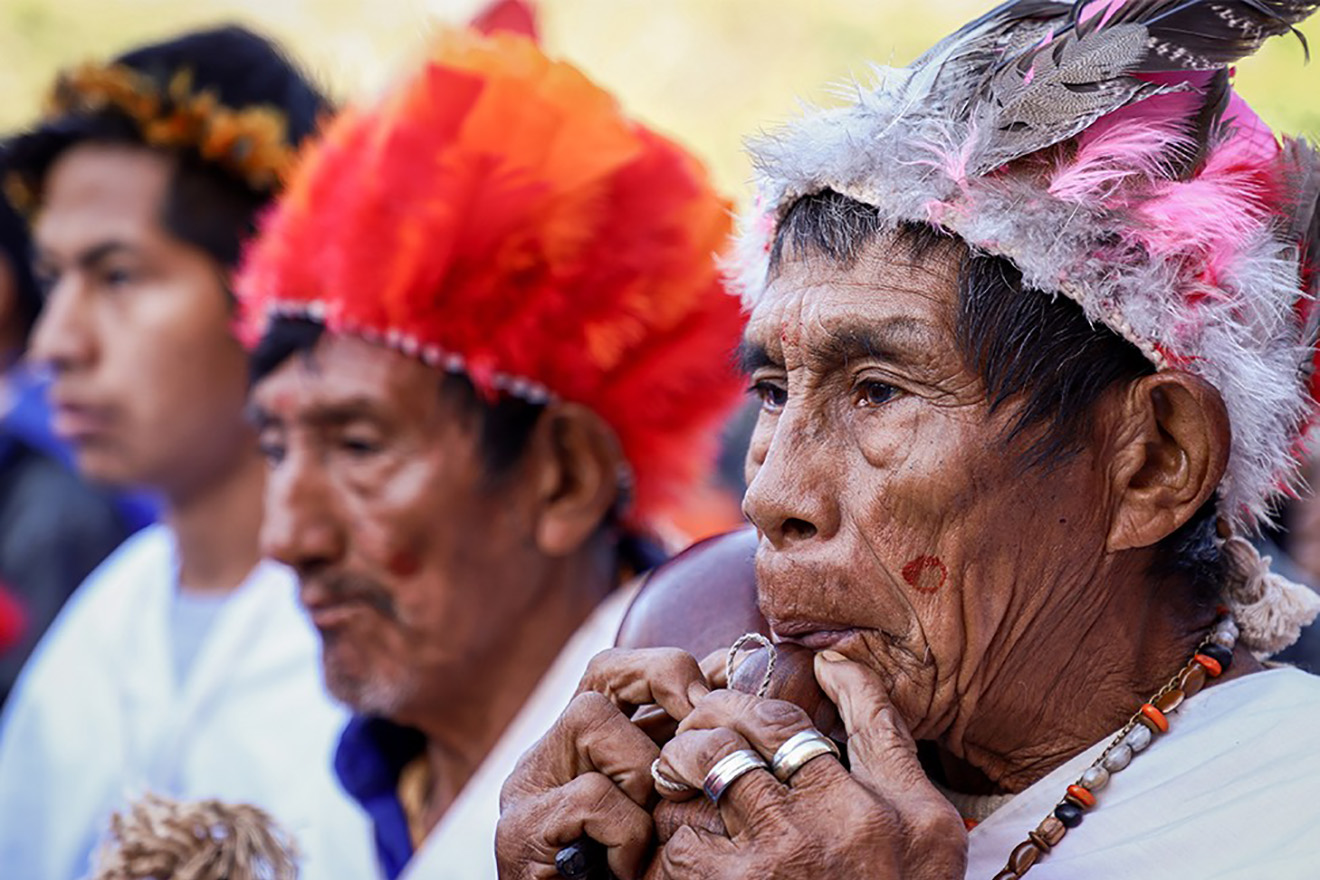
In Paraguay, indigenous peoples lack access to basic needs such as adequate food, education, housing, justice and health, which puts at risk the achievement of most national and international commitments, including the Sustainable Development Goals. UN Human Rights supports Paraguay’s efforts to adopt a social protection system that integrates human rights, alleviates structural inequalities and generates sustainable growth. With funding from the Surge Initiative, the Office is working with the government, civil society, human rights institutions and academia, providing technical assistance and analytical data, and enhancing capacity to build institutional and financial capacity to ensure social security for all.
My body is my own: claiming the right to autonomy and self-determination. Five things you need to know about consent
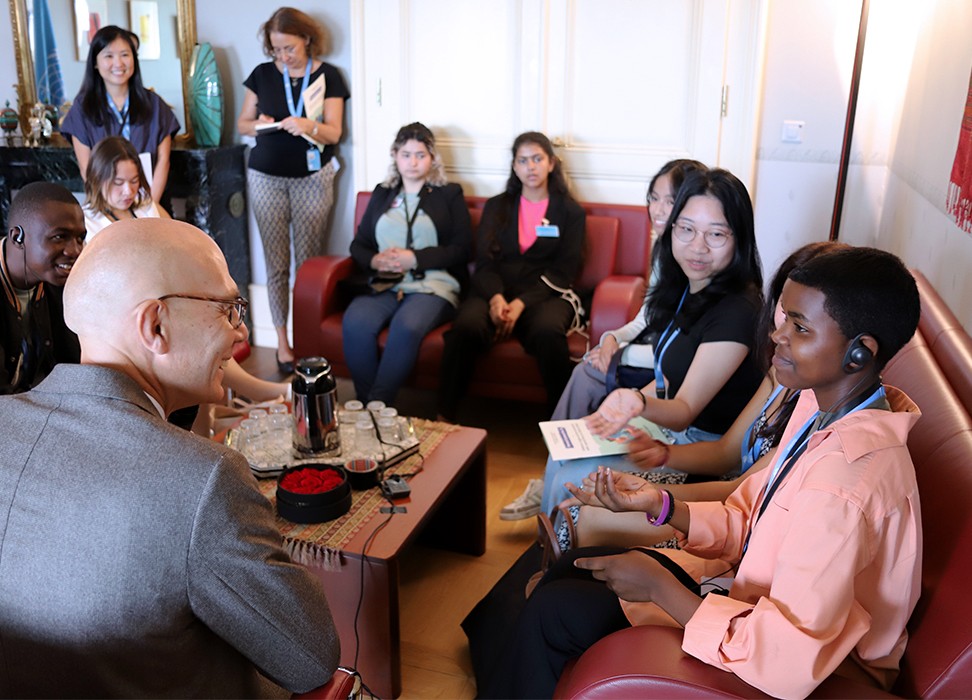
Children’s rights under the Convention on the Rights of the Child apply to environmental protection, and confirms that children have a right to a clean, healthy and sustainable environment. More than 16,000 children in 121 countries took part in the General Comment No. 26 which emphasizes the urgent need to address the adverse effects of environmental degradation, with a special focus on climate change, on the enjoyment of children’s rights, and clarifies the obligations of States to address environmental harm and climate change. Children are at the forefront of a wave of ground-breaking litigation around the world that has the potential not only to ensure greater accountability on the part of governments and business, but also to trigger fundamental shifts in approach.
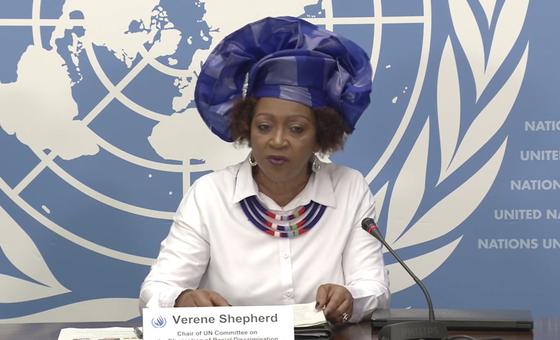
As the world observed the International Day for People of African Descent on 31 August, progress on eradicating racism is mixed and the road to equality and justice remains long.
Renowned historian Verene Shepherd, who chairs the UN Committee on the Elimination of Racial Discrimination (CERD), sat down with UN News’s Dominika Tomaszewska-Mortimer to talk about how the human rights body works with States towards this goal.
Professor Shepherd also recounted how her own experiences as a woman of African descent strengthened her resolve and fuelled her anti-racist advocacy.
Audio Credit Dominika Tomaszewska-Mortimer, UN News - Geneva
Photo Credit UNTV Geneva
The Universal Declaration of Human Rights (UDHR), a milestone document in the history of human rights, was drafted by representatives with different legal and cultural backgrounds from all regions of the world. Article 2 of the declaration states: "Everyone is entitled to all the rights and freedoms set forth in this Declaration, without distinction of any kind, such as race, colour, sex, language, religion, political or other opinion, national or social origin, property, birth or other status".
On July 28 we marked the 75th anniversary of the Universal Declaration of Human Rights.
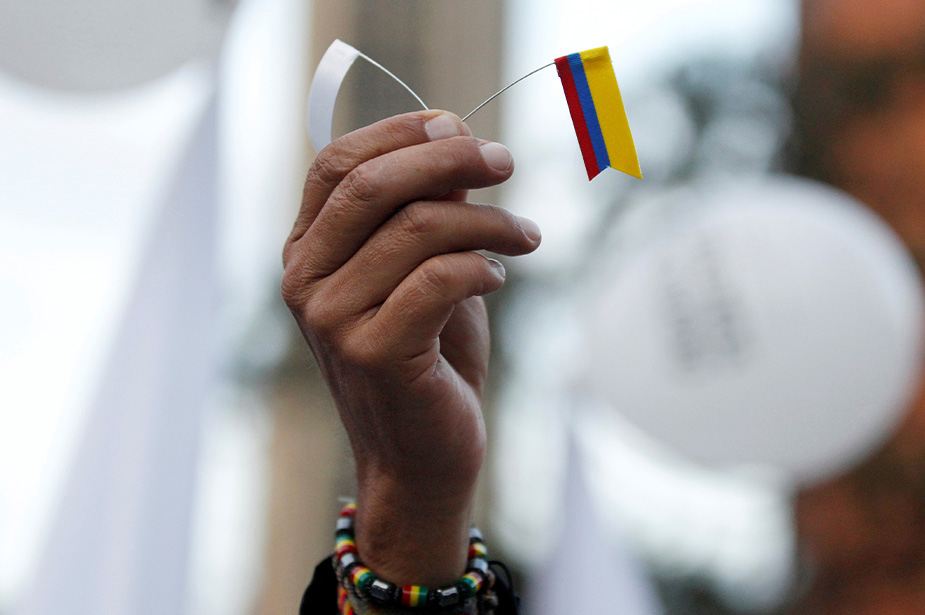
Colombia’s conflict has torn the souls of Colombians apart for almost 70 years. The only road we have left is reconciliation.
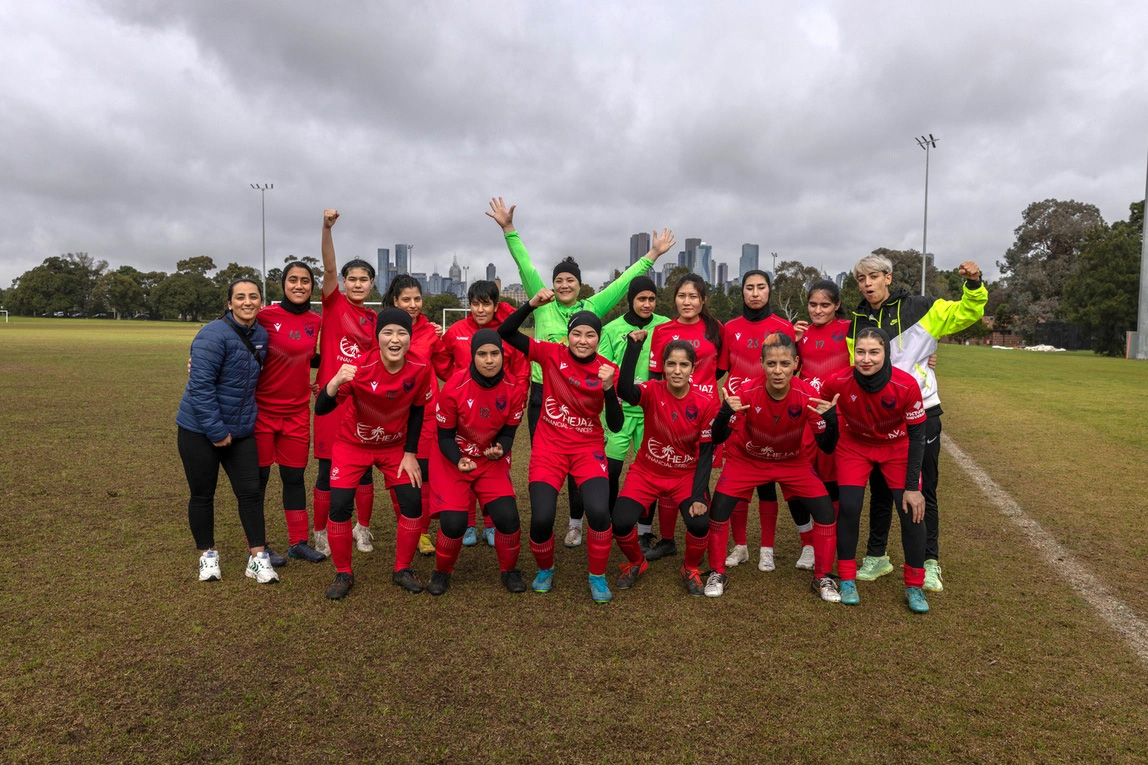
Exiled Afghan women’s football teams scores goals in Australia in hopes of making a future in their new country, facilitated by UNHCR.
Yokasta Valle is a five-time World Boxing Champion, but she is most passionate about using the power of her punch to knock out hate. Born in Nicaragua before migrating to Costa Rica, Yokasta has suffered of discrimination both as a migrant and as a woman in a sport dominated by men. “There were always people who told me, ‘You’re never going to make it.’ But those words just served as fuel for me to say, ‘Okay, I’m going to show you otherwise.’” Yokasta recently signed on to be a United Nations Costa Rica champion and met with the UN’s Special Adviser on the Prevention of Genocide.
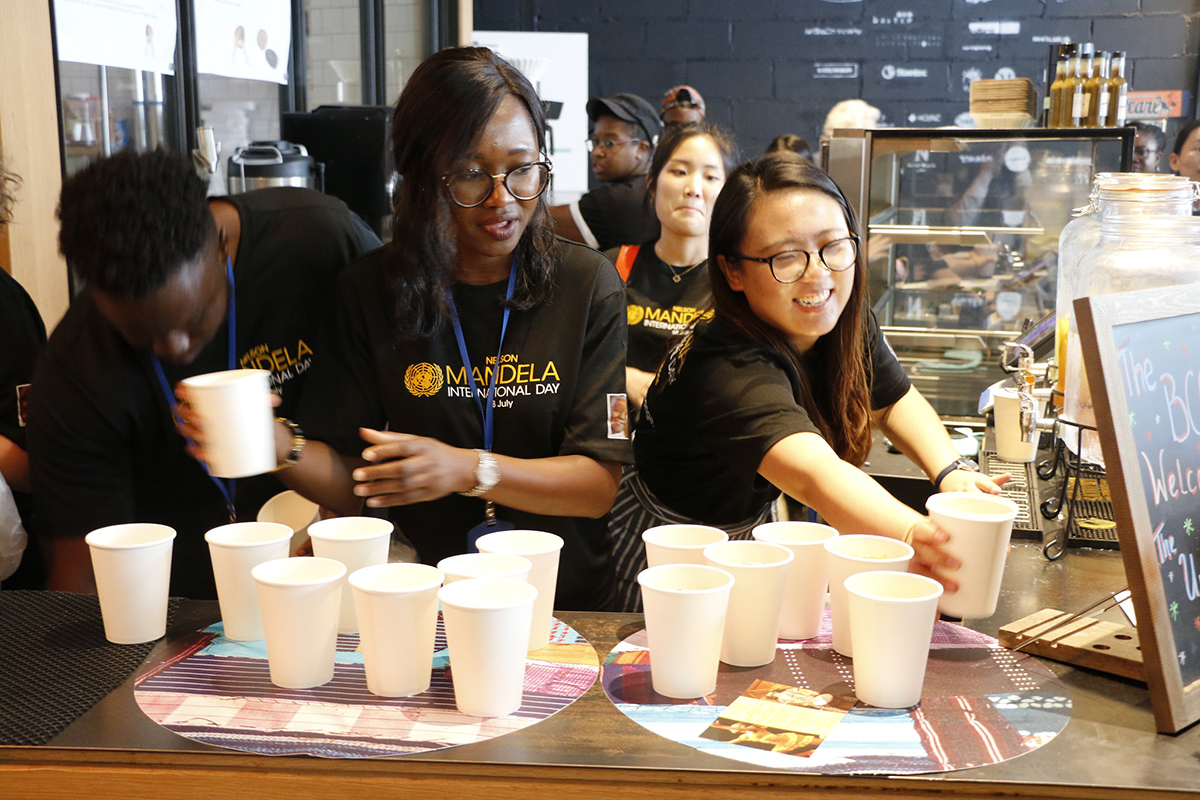
Nelson Mandela was a colossus of courage and conviction. He was a giant of our times, whose legacy we best honour through action. As Mandela said, “It is in your hands to make of the world a better place”. And so, every year on Nelson Mandela International Day, we ask people around the world to take action and inspire change by making a difference in their communities. As we commemorate Nelson Mandela’s life and legacy, let us be animated by his spirit of humanity, dignity and justice. Donate your own time to public service.

Neurotechnology is a fast-expanding field dedicated to understanding the brain and creating technologies that interact with it. In the medical realm, where neurotechnology has been well regulated, it has proved to have great potential to improve the lives and well-being of people affected by paralysis, neurological disorders, and mental illnesses, including depression. UNESCO has hence organized an International Conference on the Ethics of Neurotechnology to further assess neurotechnology’s immense potential in addition to its ethical challenges to human rights and fundamental freedoms.
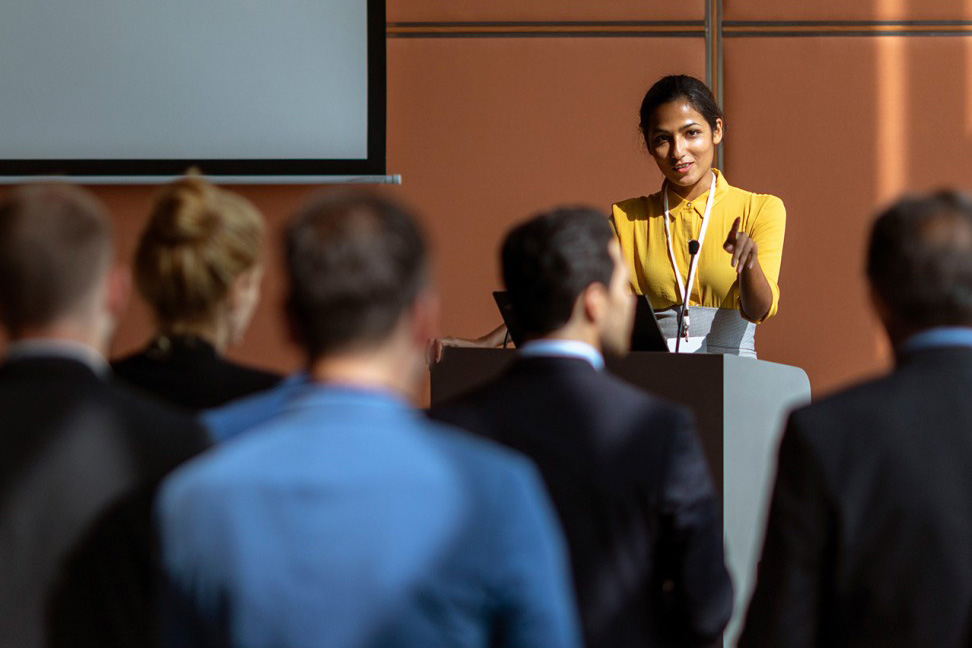
According to UN Human Rights, women face unprecedented levels of targeted violence, which takes many forms, including attacks on women in politics and women human rights defenders.