

Digital technology has become a fundamental force for change in this century. It is reshaping economies, government, and the very fabric of our communities – touching nearly every facet of our lives. And since 2015, countries have harnessed digital technology to accelerate progress towards achieving of the SDGs by 2030. The 17 SDGs are all getting a boost from the latest in digital strategies. UNDP shows how in the last seven years, digitalization has emerged as a veritable keystone, showing enormous potential to unlock the many complex, interwoven challenges addressed in the SDGs.
Science and Technology
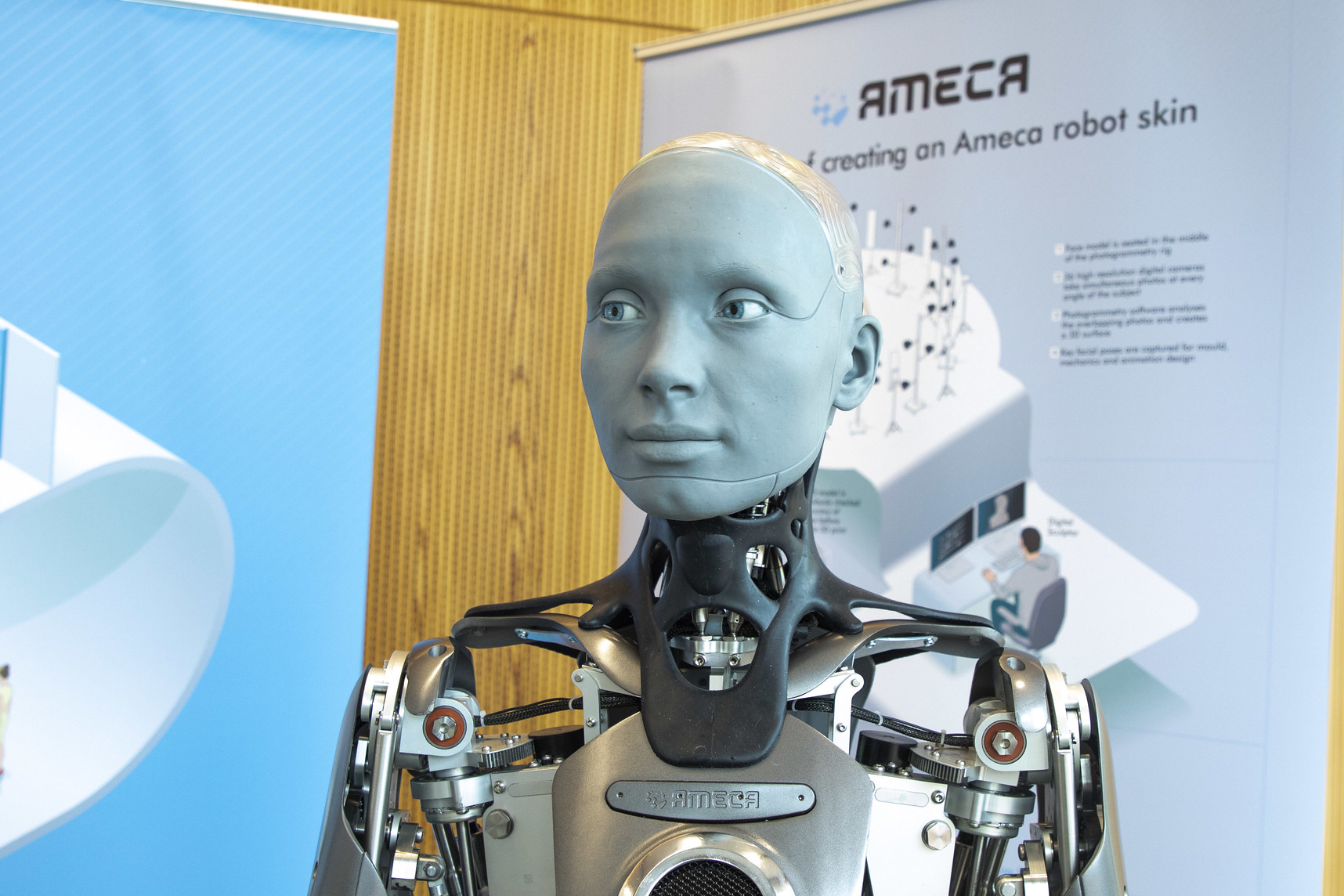
AI governance should be a global community dialogue. Now is the critical moment to get it right and ensure a responsible future with AI.
We have less than 10 years to solve the United Nations SDGs and AI holds great promise to advance many of the goals and targets. The AI for Good Global Summit is the leading action-oriented UN platform promoting AI to advance health, climate, gender, inclusive prosperity, sustainable infrastructure, and other global development priorities. AI for Good is organized by ITU – the UN specialized agency for information and communication technology – in partnership with 40 UN sister agencies and co-convened with the government of Switzerland. The hybrid event takes place on 6-7 July in Geneva.
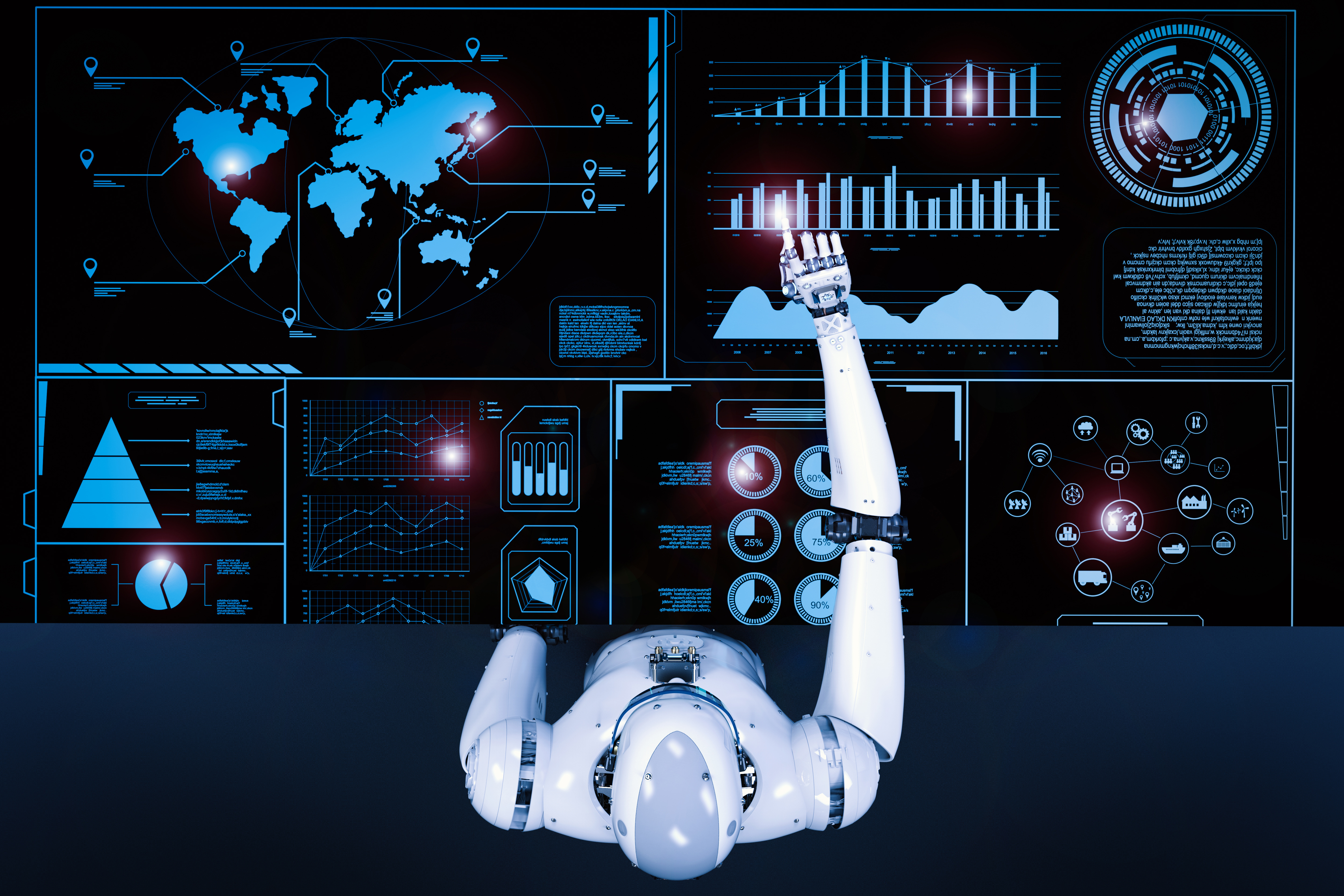
As AI technologies become increasingly sophisticated, they will transform industries, streamline processes and may even impact how we live our lives including the nuclear sector. AI has shown its potential to benefit people who use nuclear technology for peaceful ends. It will not replace the workforce but rather it will establish resources and insights that will make early detection and response in computer security realistically achievable. IAEA highlights how to adopt AI technologies effectively and proactively by embracing the benefits while addressing its risks.

The 2023 five laureates of the L’Oréal-UNESCO For Women in Science International Awards include women scientists with contributions in the Physical sciences, Mathematics and Computer science.
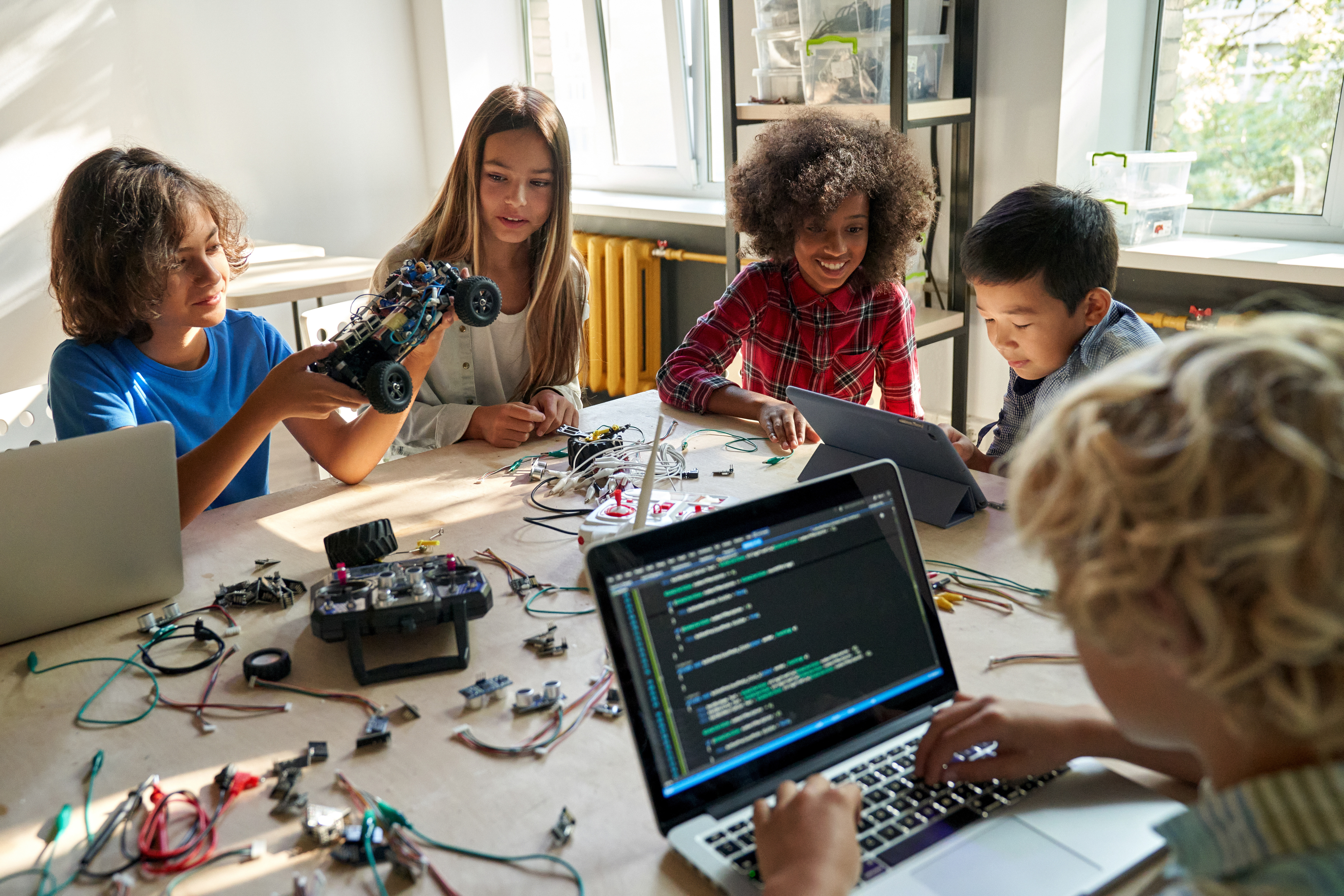
In response to the rapid emergence of new and powerful AI tools, UNESCO held the first global meeting to explore the immediate and far-reaching opportunities, challenges and risks of AI in education.
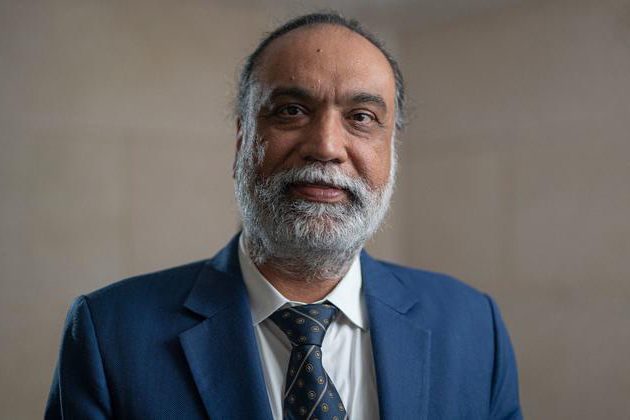
Since the launch of Chat GPT in November 2022, artificial intelligence (AI) has been dominating headlines, sparking excitement but also concern over the pace at which the technology is developing and driving misinformation.
The UN Secretary-General’s Envoy on Technology, Amandeep Gill, is busy working on a Global Digital Compact to be adopted at the UN’s Summit of the Future in 2024 – a “once-in-a-generation” opportunity for leaders to agree on common principles for addressing tech challenges.
Ahead of Wednesday’s World Telecommunication and Information Society Day, he has been talking to UN News’s Dominika Tomaszewska-Mortimer about using AI for good, why it’s not too late to regulate, and how getting AI governance right will be important for multilateralism itself.
Audio Credit: Dominika Tomaszewska-Mortimer, UN News - Geneva
Photo Credit: UN News/Srdjan Slavkovic

Artificial Intelligence (AI) has attracted massive hype, including fears that it will be impossible to regulate or control. It's already creating, destroying and re-shaping jobs and business practices. So how will AI really affect the world of work? Can it help to address any of the big problems we currently face such as inequality, stagnant productivity and inadequate fundamental rights? And how can businesses and workers prepare to avoid the pitfalls of AI and make the most of the benefits it offers?
Antonio Casilli, one of the co-founders of the INDL and Stacie Haller, Chief Career Advisor at ResumeBuilder(dot)com explore the possibilities together with Sophy Fisher, ILO's Senior Communication and Public Information Officer.
Photo: iStock.com/gorodenkoff

Despite being plunged into war, Ukraine is forging ahead with a comprehensive re-think of how business is conducted, and how Ukrainian people interact with each other and with their government. From getting married to registering a business, the ambitious and forward thinking Diia project has proved even more critical during war as Ukrainians can get public services from the safety of their bomb shelters. UNDP has been promoting universal digital literacy and training women public servants in Ukraine in digital leadership roles.
WIPO celebrates the “can do” attitude of women inventors, creators, and entrepreneurs around the world – and their ground-breaking work and ingenuity that transform our world.
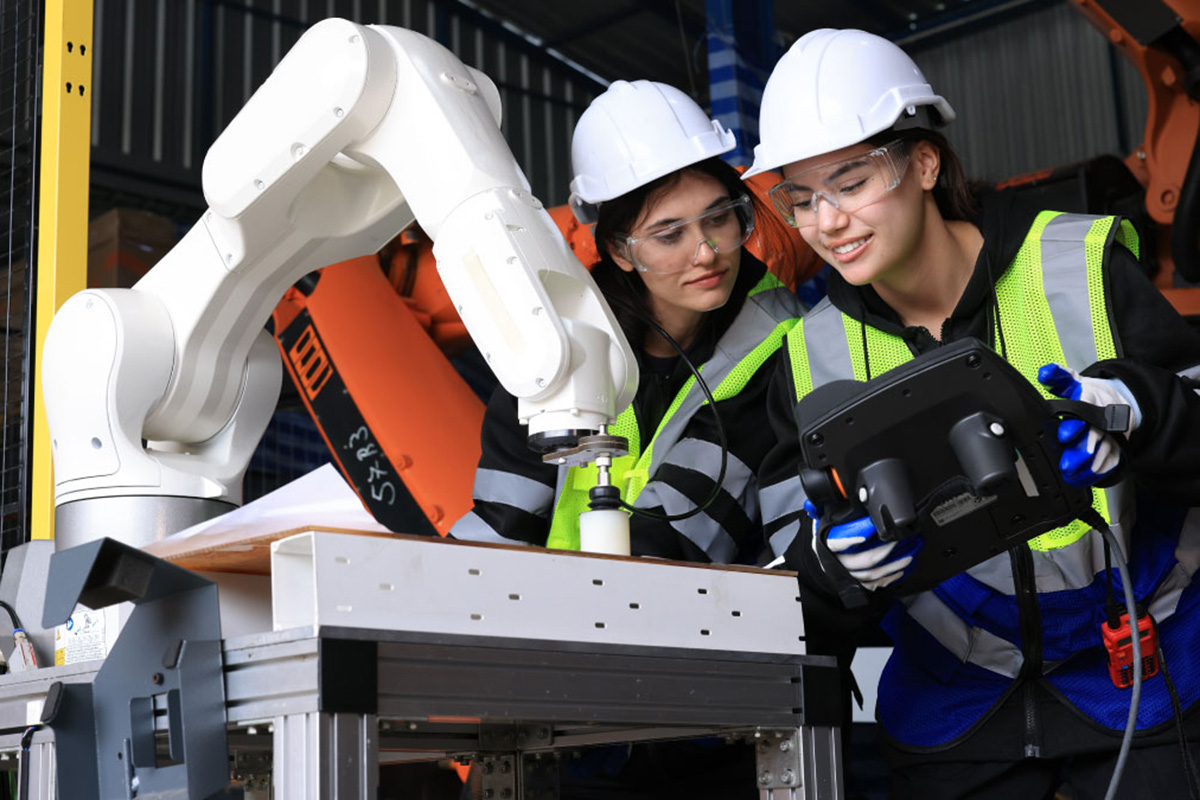
Governments, international organizations, civil society and the private sector will get together for the Commission on Science and Technology for Development (CSTD) from 27 to 31 March 2023. Acting as a forum for strategic planning, sharing lessons learned and best practices, the CSTD holds an annual discussion on issues affecting science, technology and development. The current session focuses on two priority themes: technology and innovation for cleaner and more productive and competitive production; and ensuring safe water and sanitation for all.

Digital technology and artificial intelligence present important challenges to equality in the workplace and in society. As workplaces transition towards a digital future, we are already seeing that existing gender equality gaps are being reproduced in the digital realm.
In the first of our Future of Work podcast mini-series on artificial intelligence and the world of work - and to mark International Women’s Day, Dr. Orly Lobel explores the important role digital technologies can play in creating a brighter and more inclusive future of work, and some of the surprising ways they are already being used in workplaces today together with ILO's Anders Johnsson.
Photo: WOCinTech/Unsplash
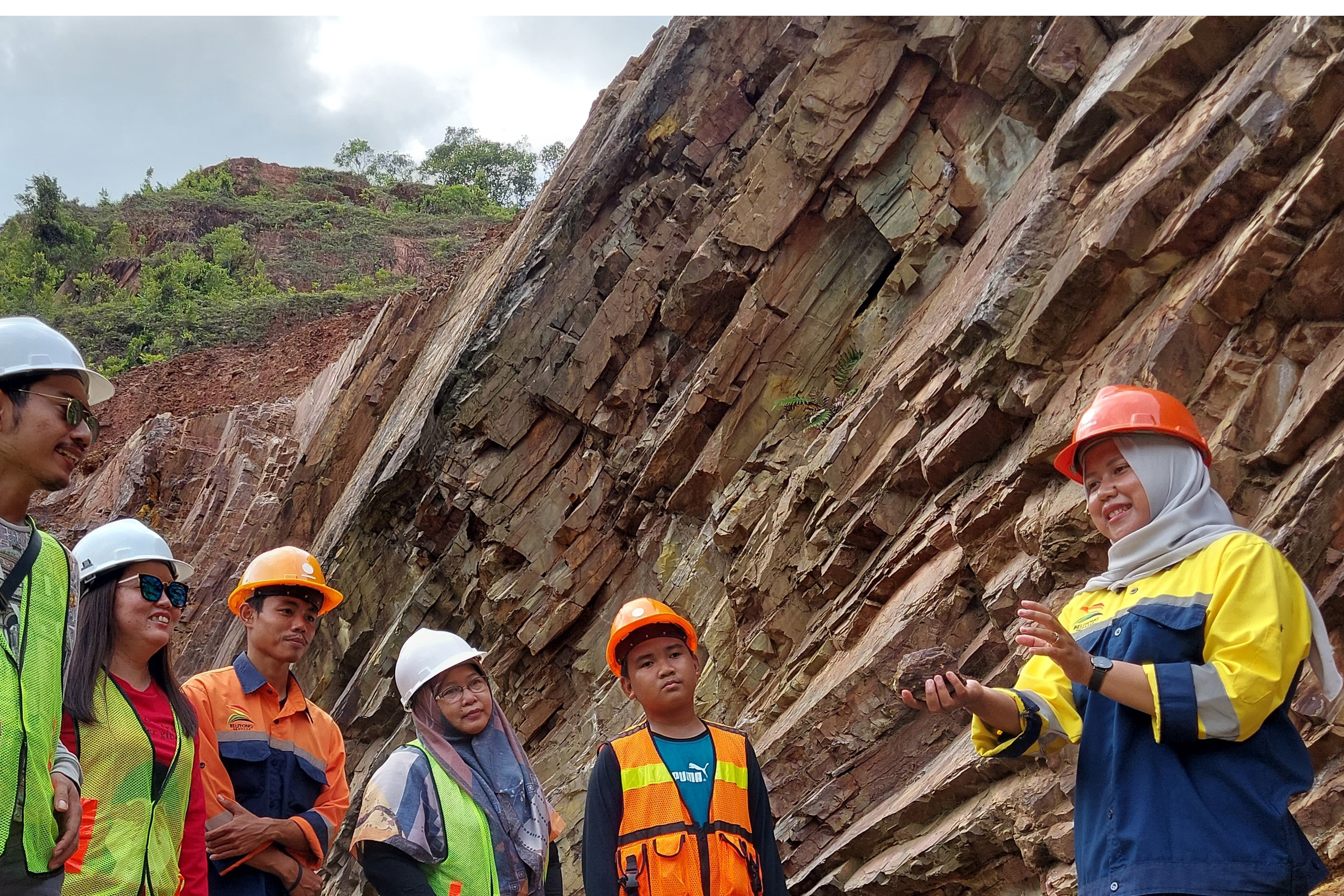
UNESCO, through its flagship International Geoscience Programme (IGCP), run in partnership with the International Union of Geological Sciences (IUGS), has harnessed the intellectual capacity of a worldwide network of geoscientists to lay the foundation for our planet’s future, focusing on responsible and environmental resource extraction, natural hazard resilience and preparedness, and adaptability in an era of changing climate. In celebration of the 50th Anniversary of the IGCP, UNESCO and IUGS are holding a conference, ‘Healing the Earth: UNESCO and Earth sciences - past, present and future.’

Today women make up under a third of the workforce in science, technology, engineering, and maths (STEM). When women are under-represented in developing new technologies, discrimination may be baked in from the start. This International Women’s Day (8 March) with the theme “DigitALL: Innovation and technology for gender equality,” recognizes the women and girls championing transformative technologies and digital education. The observance explores the impact of the digital gender gap on widening inequalities and the importance of protecting women’s rights in digital spaces. #PowerOn to create an equal future.
UN Women higlights the need for inclusive and transformative technology and digital education for a sustainable future. Bringing women and other marginalized groups into technology results in more creative solutions and has greater potential for innovations that meet women’s needs and promote gender equality.