
The ageing of the global population will be the defining demographic trend of the 21st century—yet our societies struggle to see the opportunities that this trend can unfold. Telecommunications and information communication technologies (ICTs) have a role to play in achieving healthier ageing, but also in helping people build smarter cities, combat age-based discrimination at the workplace, ensure financial inclusion of older persons, and support millions of caregivers across the world. ITU celebrates World Telecommunication and Information Society Day every 17 May.
Science and Technology

Our societies now struggle to see the opportunities the ageing of the global population can unfold. Telecommunications and information communication technologies (ICTs) have a role to play in achieving healthier ageing. Supporting a life of healthy ageing is also critical for the sustainability of economic and health systems. This year’s World Telecommunications and Information Society Day seeks to raise awareness of the important role of ICTs in supporting people to stay healthy, connected and independent - physically, emotionally and financially.

Policymakers and leading experts will examine how science, technology and innovation can help the world recover better from the COVID-19 pandemic at the UN Commission on Science and Technology for Development from 28 March to 1 April.
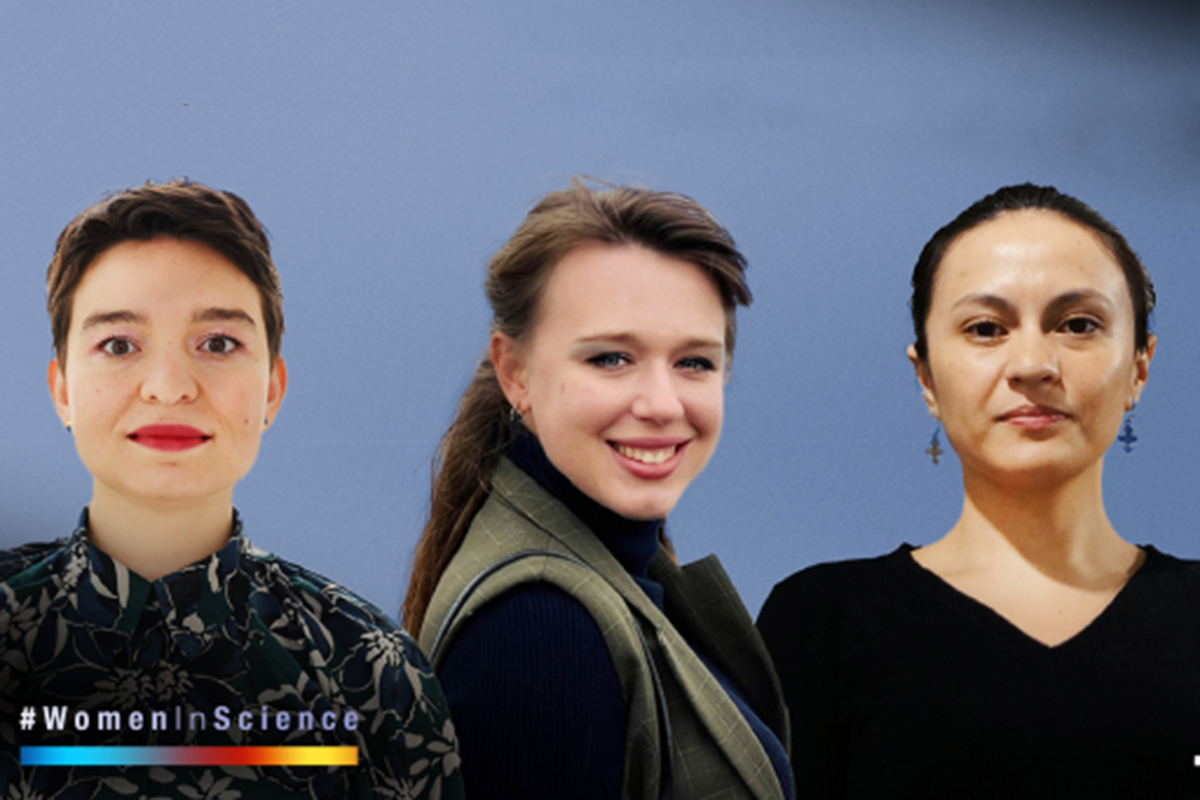
The Marie Sklodowska-Curie Fellowship Programme, is an IAEA initiative to help women who have completed nuclear science education to develop and expand their career opportunities.

Artificial intelligence plays a role in billions of people’s lives. Sometimes unnoticed but often with profound consequences, it transforms our societies and challenges what it means to be human.

Tech for COVID-19 and future outbreaks
The COVID-19 pandemic has exposed significant areas of inequality and exclusion in the digital world, particularly for populations at risk. The International Telecommunication Union (ITU) has published guidelines on how to ensure that digital information, services and products are accessible by all people, including persons with disabilities, during the pandemic. New and emerging technologies that leverage big data and artificial intelligence (AI) offer new ways of responding to and recovering from the pandemic.
In spite of the human and economic toll of the COVID-19 pandemic, governments and enterprises in many parts of the world have increased their investments in innovation, according to the 2021 Global Innovation Index.
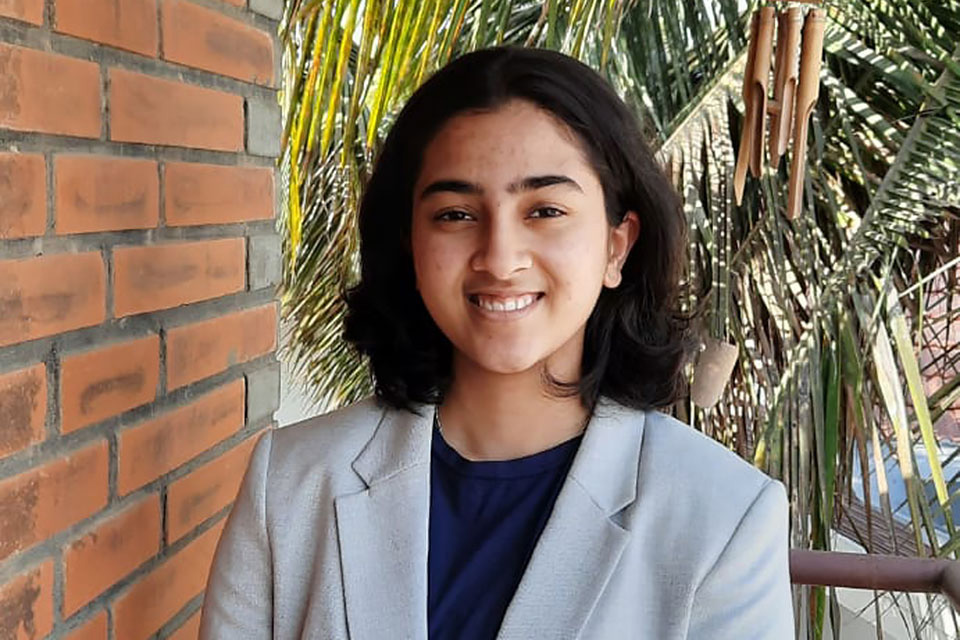
NIdhi Mayurika is part of UN Women’s Generation Equality because she believes creating an equal future means educating the generations old and new to examine and challenge social norms.
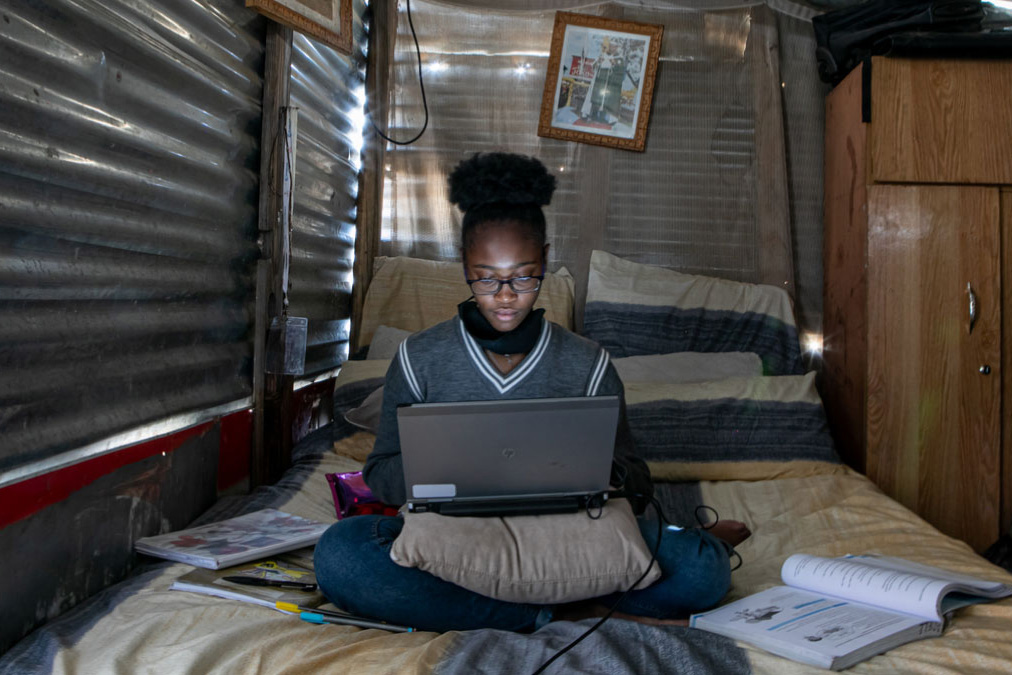
The data-driven digital economy is surging according to UNCTAD’s Digital Economy Report 2021. Yet, large power imbalances remain as major platforms reinforce their positions in the data value chain.
Why does the portrayal of women scientists and engineers in films and in the media matter? Would you say that there's a conscious effort to change the numbers and images of women characters as scientists and engineers? What concrete actions can content creators put in place to support and promote strong female characters and role models? Geena Davis, Academy Award winning Hollywood actor, founder of the Geena Davis Institute on Gender in Media, and ITU's Special Envoy for Women and Girls in ICT, answers these questions in an exclusive interview with ITU.

Small propane split air conditioners from Chinese appliance giant Midea – the only room AC models to earn Germany’s highly demanding “Blue Angel” ecolabel – are now available on the European market.

As the vital protectors of an estimated 80 per cent of the world’s remaining biodiversity, ITU encourages indigenous communities to continue to partner for global sustainability.
Ageing is becoming a megatrend. Around the world birth rates are declining, while people are living longer, healthier lives. For the first time in human history, people over the age of 60 outnumber those under the age of five. A population predicted to reach 2 billion by the year 2050.
In this episode of ITU’s Technology for Good we are focusing on how technology can have a major part to play in ensuring that this population does not go underserved, but that will only happen if both technology creators and policy makers are aware of and act on this dramatic shift in the global demographic.

“Going to space will become like taking a plane today; working in space, living in space, having a one-week holiday in space.” In this episode of Awake at night, we meet Simonetta Di Pippo, Director of the UN Office for Outer Space Affairs. Trained as an Astrophysicist in her native Italy, Di Pippo was the first female director of the European Space Agency. Since then, her work has been integral in using space for our common wellbeing here on Earth.
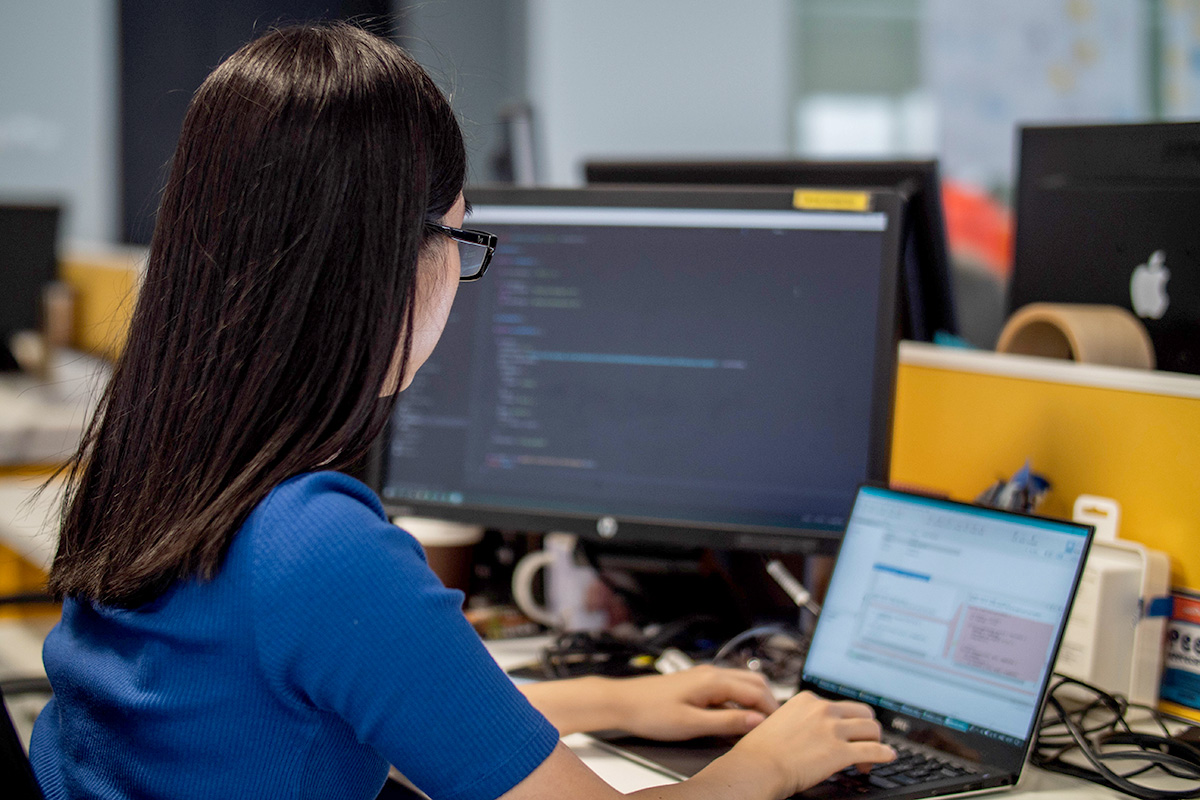
Digital technology is advancing at an incredibly rapid pace – but not evenly. UNDP supports digital livelihoods for women and measures the gender digital divide.