
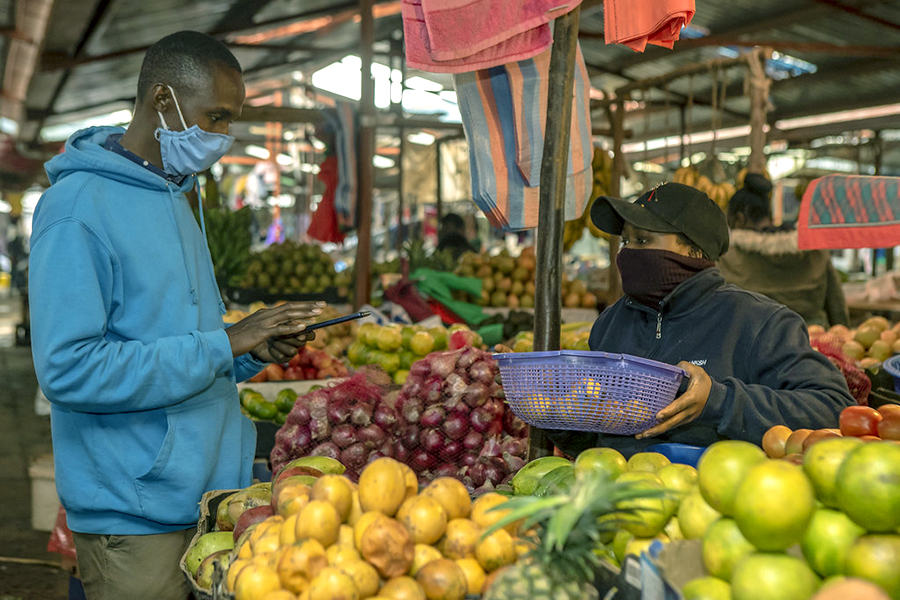
One of the most striking images of the coronavirus pandemic is the contrast between farmers dumping milk, smashing eggs, and ploughing vegetables back into the soil and consumers facing empty store shelves and long lines at food distribution centres. How is it possible to have over-abundance on one hand and scarcity on the other? The World Bank argues that the digital revolution can accelerate the shift towards a more sustainable food future by collecting, using, and analysing machine-readable data.
Science and Technology
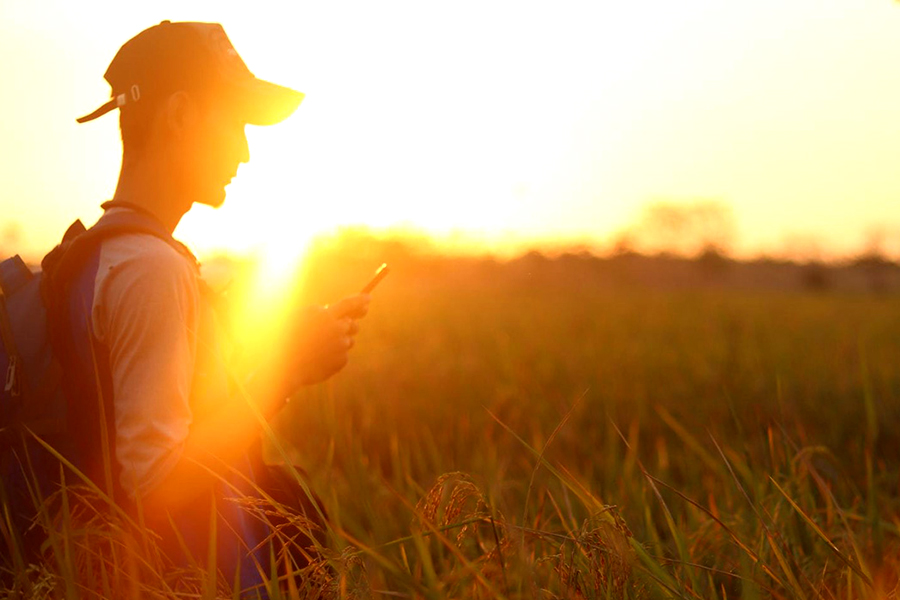
Crises have a way of urging people to develop new tools to help them resist disaster. IFAD-funded projects in north-eastern Brazil, carry on their work by using remote technical assistance to respond to participants’ questions and solve problems. Project staff also realized that the current situation presented an opportunity to gather some much-needed data: consistent data on project performance and the impacts of COVID-19. Due to the preventive measures, surveys were conducted using smartphones.

OHCHR reports on human rights-centred recommendations, by a coalition of 50 cities worldwide, to guide leaders as they use digital technology in response to crises such as COVID 19.

Named after pioneer physicist and Nobel Prize laureate Marie Skłodowska-Curie, the IAEA Programme aims to inspire and to encourage young women to pursue a career in nuclear sciences and technology and non-proliferation.
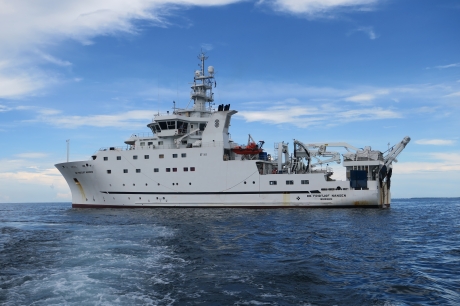
2020 began as a normal year for the Dr Fridtjof Nansen, the only marine research vessel to fly the UN flag. The Nansen was meant to sail along West Africa, collecting data off the coast and in the deep-seas for its research into the state of marine resources and the health of our oceans. As the COVID-19 outbreak turned into a pandemic and more and more borders closed to stop the spread of the virus, FAO reports on the plan for the vessel and its crew to get back home to Norway.

While the digital era and new technologies have brought societies many benefits, we also face challenges such as growing digital divides, cyber threats, and human rights violations online. This report lays out a roadmap in which all stakeholders play a role in advancing a safer, more equitable digital world.
Refugees at the Innovation Lab in Za’atari refugee camp have designed a robot prototype made from LEGO which automatically dispenses sanitiser so people don’t have to touch the bottle. Their aim is to help prevent coronavirus and contribute towards the global effort to control the disease.
COVID-19 has made the world a more challenging place than ever for many of us, but have all the physical precautions we are taking made us forget about keeping connected online in a safe manner?
The International Atomic Energy Agency is helping dozens of countries use a nuclear-derived technique called rRT-PCR to detect the new coronavirus, by providing the necessary equipment, guidance and training.
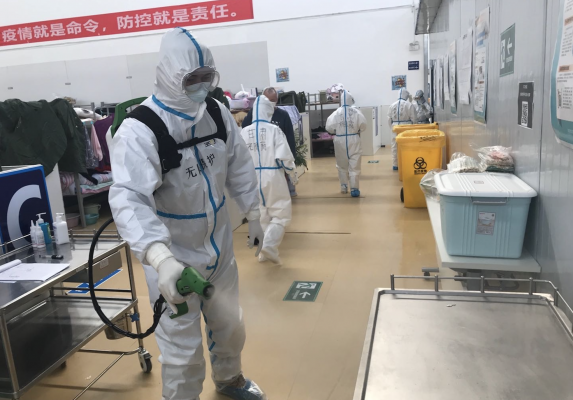
Many new technologies debuted during the epidemic. New disinfection technology uses a physical-static method to disinfect, which is safe for both humans and the environment.

Young, creative and bold minds, who are helping redefine their own areas of expertise, are highlighted every year by the US business publication, Forbes. This year, the World Health Organization’s (WHO) yo
With the coronavirus (COVID-19) pandemic dominating news headlines and affecting over a million people around the world, hear how Information and Communication Technologies (ICTs) and Artificial Intelligence are playing a key role in combatting the spread.
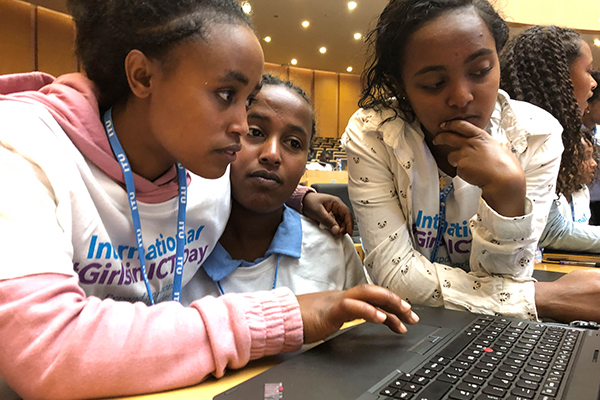
The International Girls in ICT Day aims to encourage girls and young women’s interest in the technology sector. Today, the Secretary-General tells girls and young women “the world cannot afford to lose your talent”. ITU encourages to counter the COVID-19 imposed distance by staying connected through online celebrations. Let's turn current constraints into opportunities to demonstrate the power of technology. The Girls in ICT portal remains the central hub for sharing activities with the Girls in ICT community by mapping virtual celebrations.

The United Nations is mobilizing international cooperation to harness the power of science to tackle the coronavirus pandemic, while also working with partners to explore innovative crisis response tools. WHO is gathering the latest scientific findings and knowledge on coronavirus disease (COVID-19) and compiling it in a database, after bringing together 300 scientists, researchers, national public health experts across the world to assess the current level of knowledge about the new virus and identify research priorities and gaps.

Climate technology experts met virtually last week to discuss how governments can green their economies and prepare for the inevitable impacts of climate change.