

UNDP launches a global campaign to end poverty and raise awareness of the alarming rate at which COVID-19 and climate change are increasing inequalities around the world.
Climate

Bridging the divide: Transforming the human-carnivore relationship to protect snow leopards

Small Island Developing States don’t need to be told that climate change is real – they’re already seeing the impact. Many of these countries are only a few metres above sea level, leaving them vulnerable to and disproportionately affected by climate change-driven shocks and hazards. We must enable governments to make better-informed investment decisions when it comes to designing and building infrastructure that can withstand climate change-driven threats. UNOPS is helping countries like Saint Lucia to protect its people and infrastructure from the threat of climate change and build resilience to its impact.

Reducing climate change effects and risks in Bosnia and Herzegovina
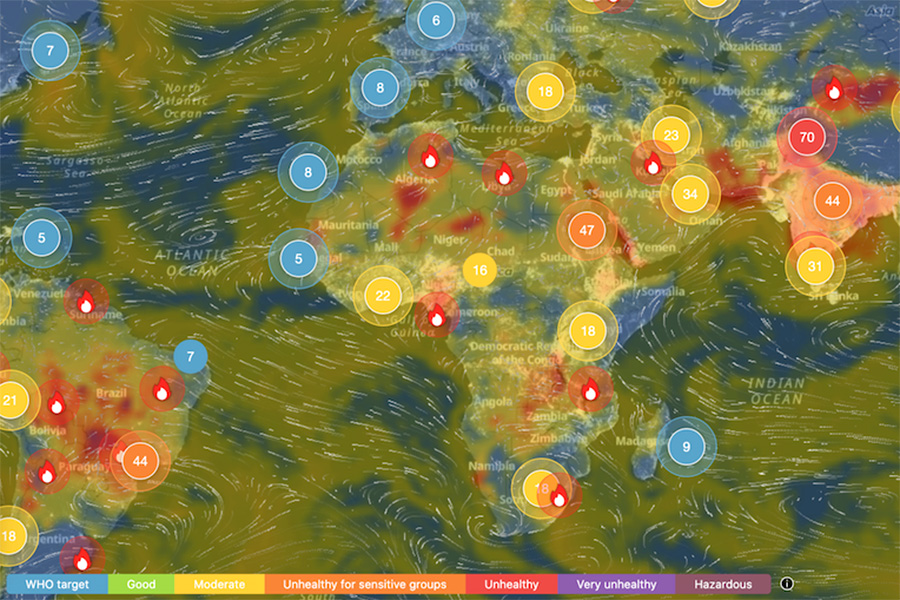
UNEP’s novel World Environment Situation Room provides real-time data on fine particulate matter in the atmosphere from fires, informing scientists, policy-makers and citizens alike. The platform is a collaboration between the UN and Swiss firm IQAir, which operates its own air quality monitoring platform. At maximum zoom-out, it shows a map of the planet, with arrows depicting wind patterns and air quality areas represented by a shading system; green is good, yellow moderate, orange is unhealthy for sensitive groups.
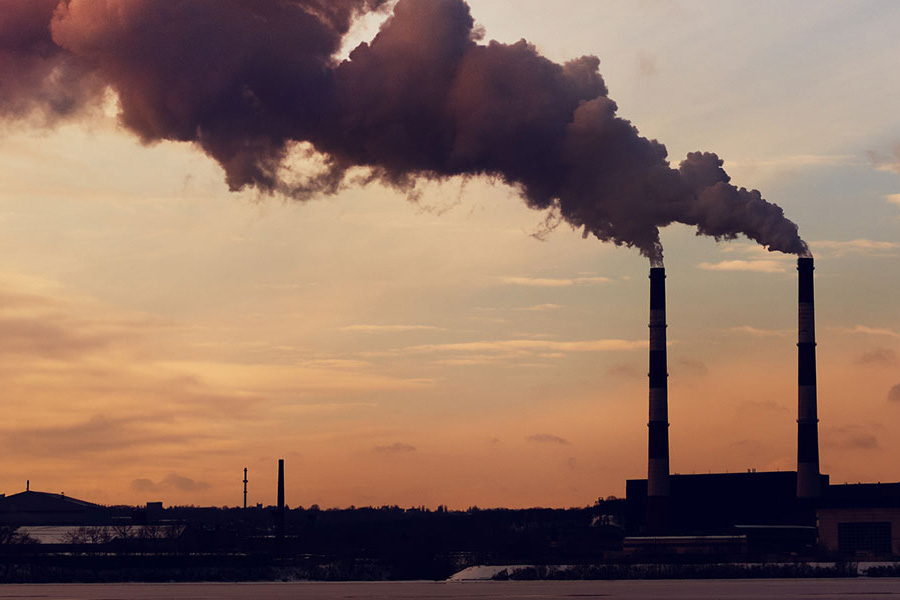
Unaddressed, climate change will entail a potentially catastrophic human and economic toll, but it’s not too late to change course. Global temperatures have increased by about 1°C since the pre-industrial era because of heat-trapping green-house gases accumulating in the atmosphere. The IMF makes the case that economic policy tools can pave a road toward net zero emissions by 2050 even as the world seeks to recover from the COVID-19 crisis. Policies can be pursued in a manner that supports economic growth, employment and income equality.
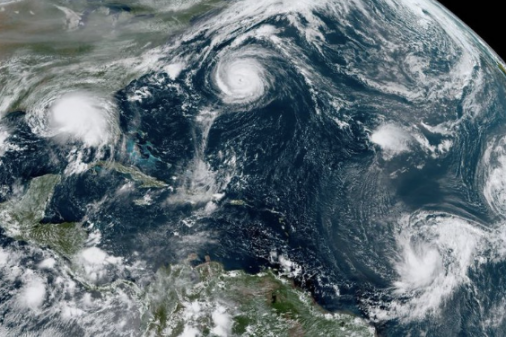
The 2020 Atlantic hurricane season is so active that it has exhausted the regular list of storm names. The Greek alphabet is now being used for only the second time on record.

COVID-19 has not stopped the climate crisis. The damage inflicted by climate change continues to mount, from worsening wildfires, floods and storms, to rising food insecurity and economic loss. As the impact from climate change worsens around the world, UN Secretary-General, António Guterres, is convening a roundtable of 20 global climate leaders. The event will showcase high-impact actions and ambition to confront the climate crisis through six climate-positive examples. Follow this 90-minute virtual event on September 24th, 11:30 a.m. EDT. Climate action is needed now more than ever!

Giving vulnerable Bangladeshis the resources to cope with climate change

Anyone anywhere can access multidimensional maps and statistics showing key climate and environmental trends wherever they are, thanks to a new tool developed by Google and FAO.
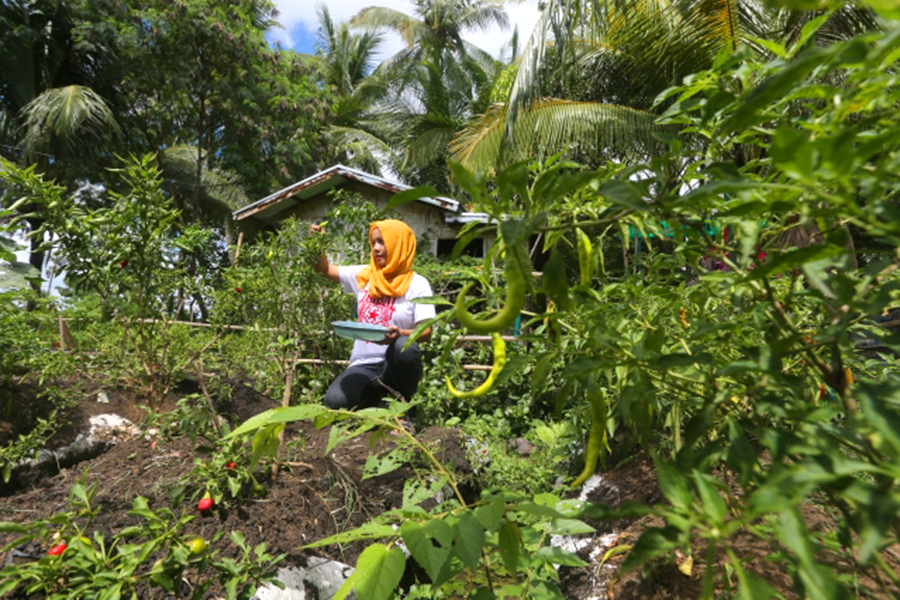
When FAO’s early warning system indicated a possible drought, field staff consulted with the farmers likely to be the most affected before tailoring action plans to their needs.
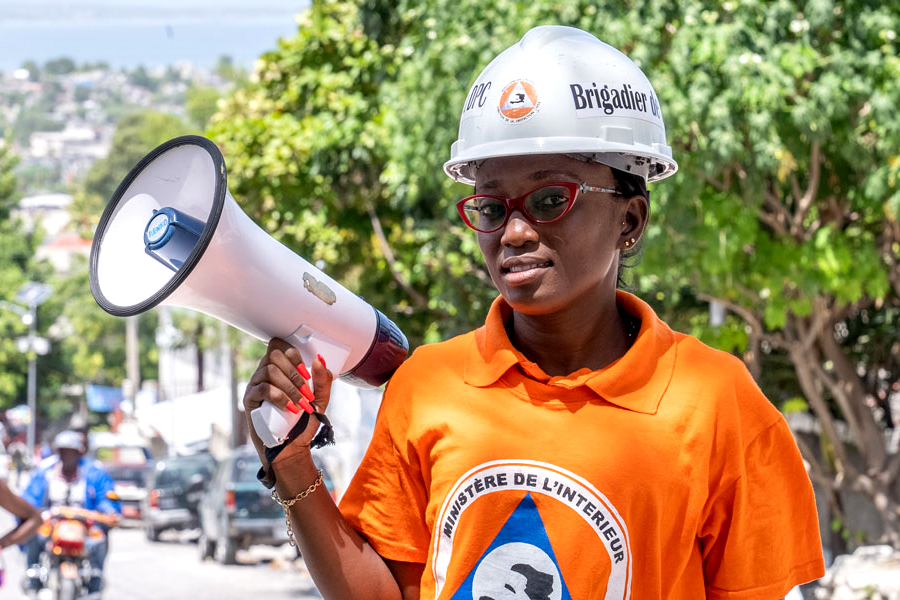
Just after the world came together for the landmark Paris Agreement on climate change, the Bank Group unveiled an ambitious Climate Change Action Plan to ramp up financial and technical support to developing countries to step up climate action. The World Bank Group committed to increasing climate finance from 20% of lending in 2016 to 28% by 2020. This target was exceeded each year for the last three consecutive years. In total, over the duration of the Action Plan, the Bank Group has delivered over $83 billion in climate finance.
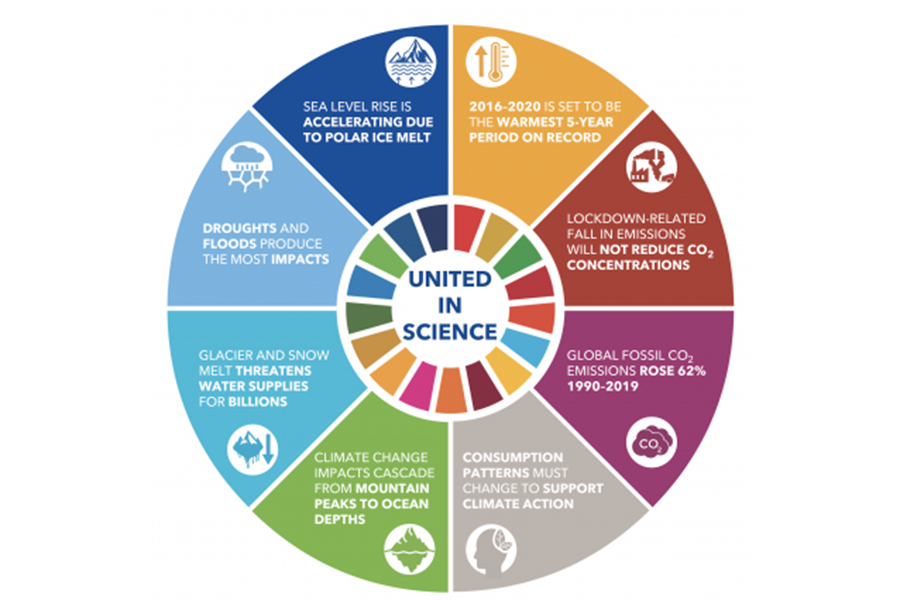
United in Science 2020, the new multi-agency report coordinated by WMO, highlights the increasing and irreversible impacts of climate change, which affects glaciers, oceans, nature, economies and human living conditions. It also documents how COVID-19 has impeded our ability to monitor these changes. Emissions are heading in the direction of pre-pandemic levels following a temporary decline caused by the lockdown and economic slowdown. The world is set to see its warmest five years on record – in a trend which is likely to continue.
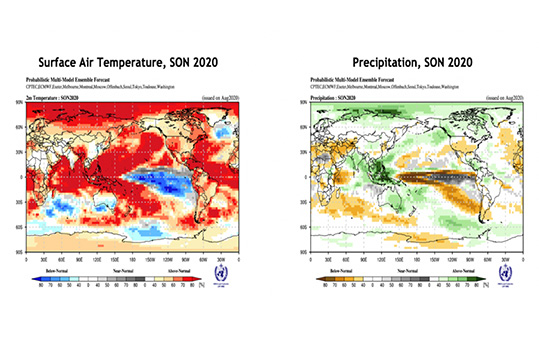
Despite the tendency for La Niña to have a cooling effect on global temperatures overall, above-average temperatures are expected to be predominant.