
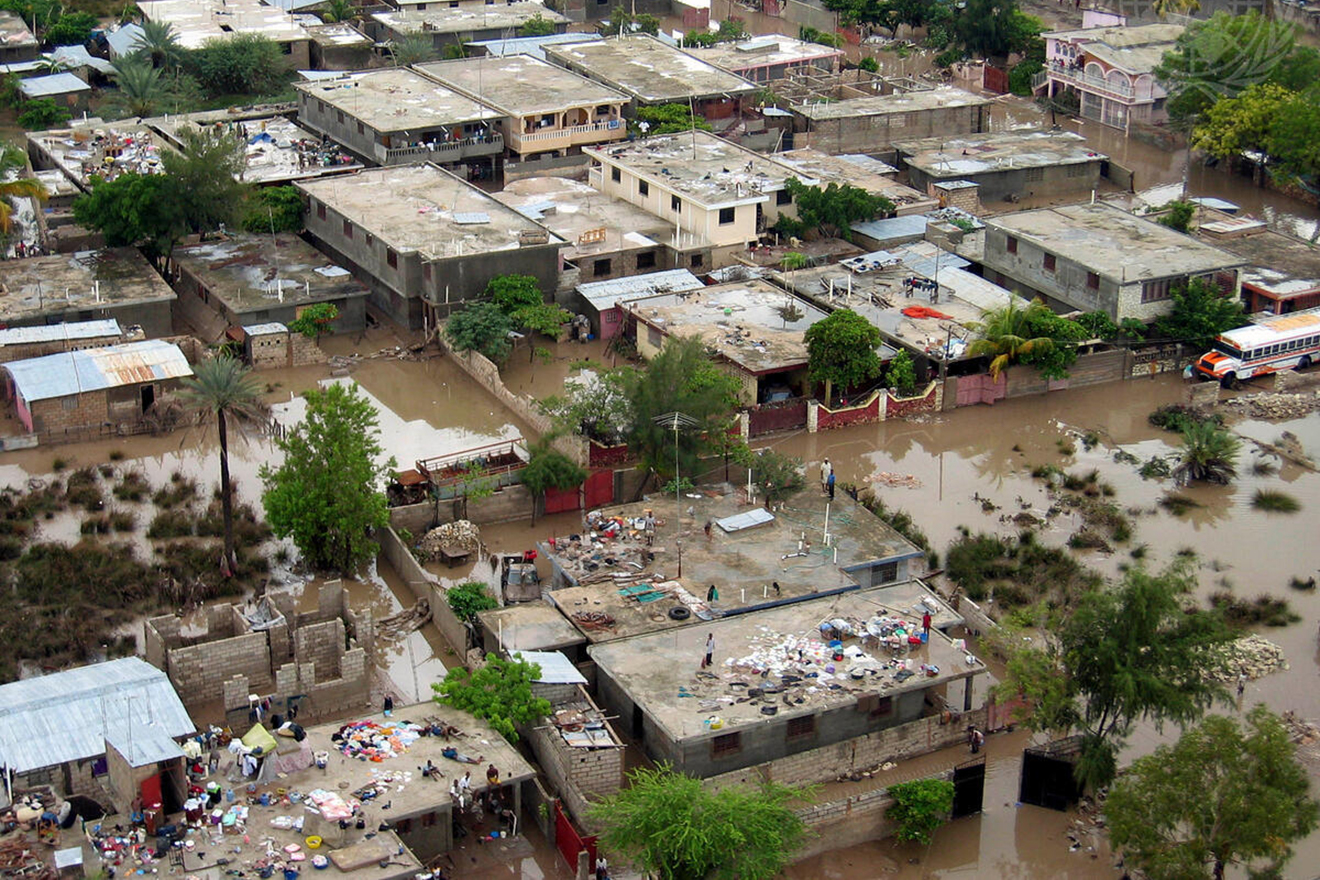
On 28 February, the UN’s Intergovernmental Panel on Climate Change (IPCC) is expected to release a major report on the impacts of climate change and why it is imperative that we act now to address the growing risks. The report, which focuses on Impacts, Adaptation and Vulnerability, will detail how climate impacts are already affecting every living thing on the planet – humans, animals, plants, entire ecosystems – in every part of the world, and how, without much bolder action to cut greenhouse gas emissions and adapt to increasing climate impacts, more lives will be lost and more livelihoods destroyed.
Climate
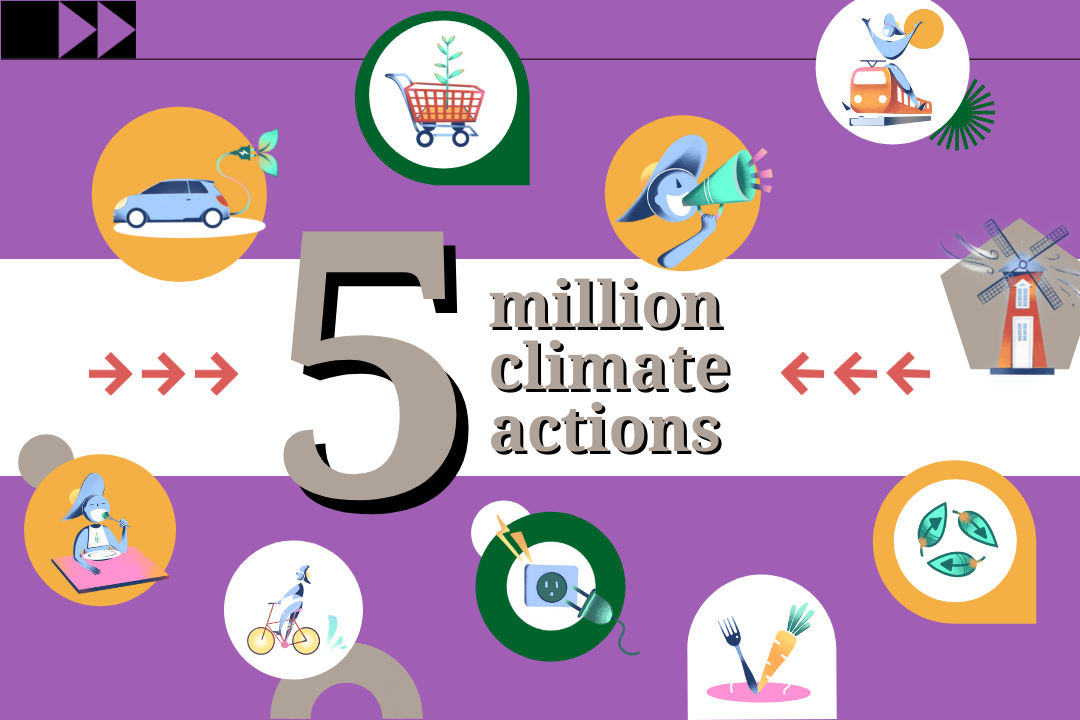
People everywhere are taking steps to be part of the solution to the climate crisis. More than 5 million actions have been logged through the ActNow campaign. Big, bold steps need to be taken by governments and businesses. But the transition to a low-carbon world also requires the participation of citizens – especially in advanced economies. From the electricity we use, to the food we eat and the way we travel, we can make a difference. Check out ten actions that can make an impact. Learn more about ActNow and log your actions through the mobile app.

In this episode of UNEP's Resilience: The Global Adaptation Podcast, Lis and Marcus find out about some really creative and practical solutions to the climate threats faced by coastal communities and people living on low-lying small islands. Eritai Kateibwi, from the Te Maeu Project, talks about introducing hydroponics to Kiribati so his community can grow food without monthly ‘king’ tides washing away their crops. And world-renowned Danish architect Bjarke Ingels, who specialises in climate-resilient architecture, talks about floating cities and building flood barriers that double as parks, skateboard ramps, and bike storage - drawing on a concept known as ‘hedonistic sustainability.’
We are witnessing the impact of climate change. The consequences of burning fossil fuels and deforestation have altered the global climate and the impact can already be felt. We see hurricanes, heat waves, fires, floods, droughts, and the sea level rising.
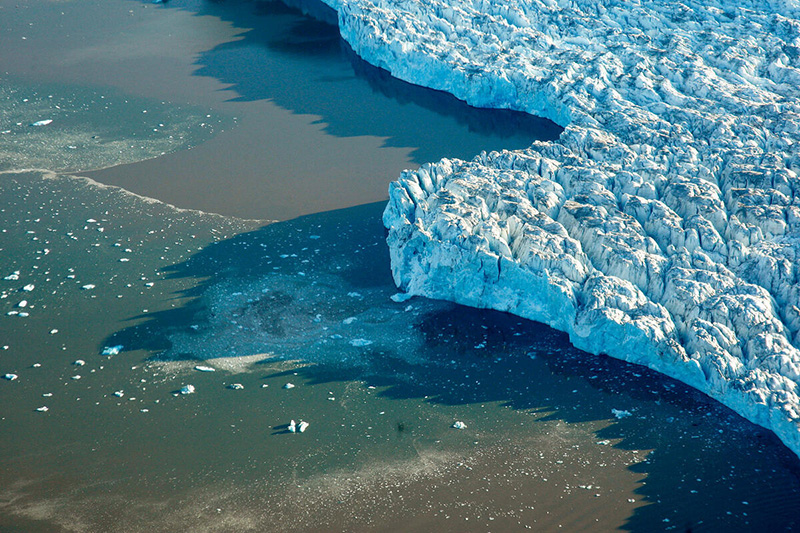
A temperature of 38°C (100.4°F) in the Russian town of Verkhoyansk on 20 June 2020 has been recognized as a new Arctic temperature record by the World Meteorological Organization (WMO).

2021 was dominated by two crises that the world could not ignore – COVID-19 and global heating. From unprecedented floods in Germany, to out of control fires in California and Greece, extreme weather increased in intensity and frequency. The pandemic laid bare other inequalities. Rich countries hoarded vaccines and poor countries went without. Global food systems struggled to cope with the twin crises. The digital divide became more pronounced; the pandemic also showed that we can change quickly, but only if we have the resources and the vision.
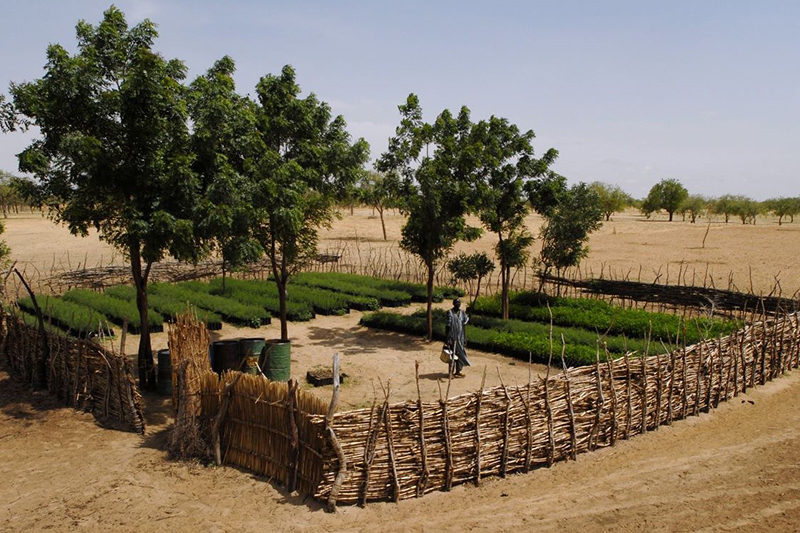
IFAD answers why and how the world’s poorest rural dwellers should be helped to adapt to the changing climate.
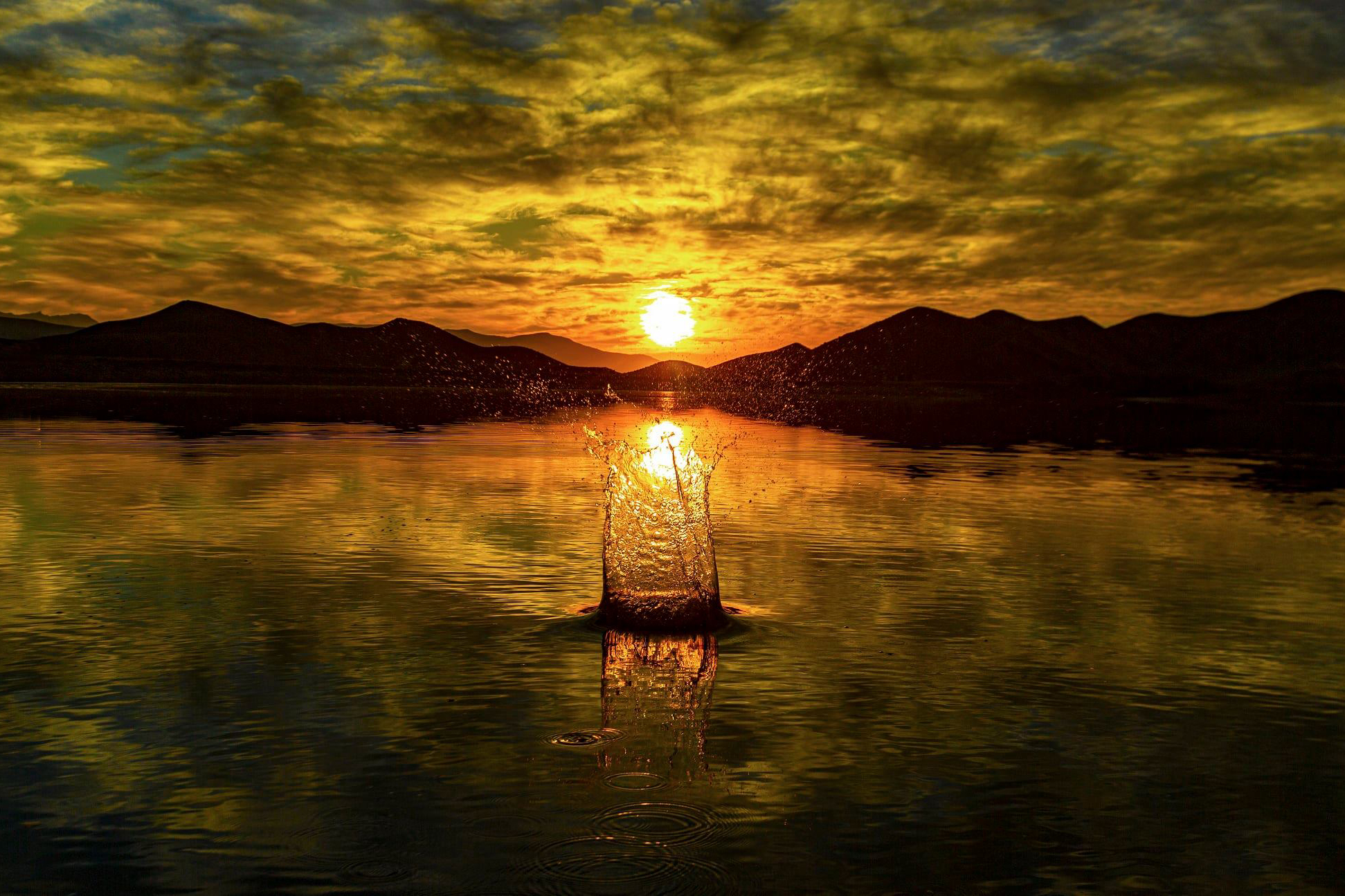
WMO has shortlisted 60 photos, based on technical and artistic merit, and published them on Facebook and Instagram, where you can vote for your favourites. They show the amazing power and beauty of our weather and our natural surrounds and illustrate the theme of World Meteorological Day 2022, Early Warning and Early Action. Winning entries will feature in the WMO 2022 online calendar.
At the end of 2020, around 7 million people in 104 countries and territories were living in displacement as a result of disasters that happened not only in 2020, but also in previous years.
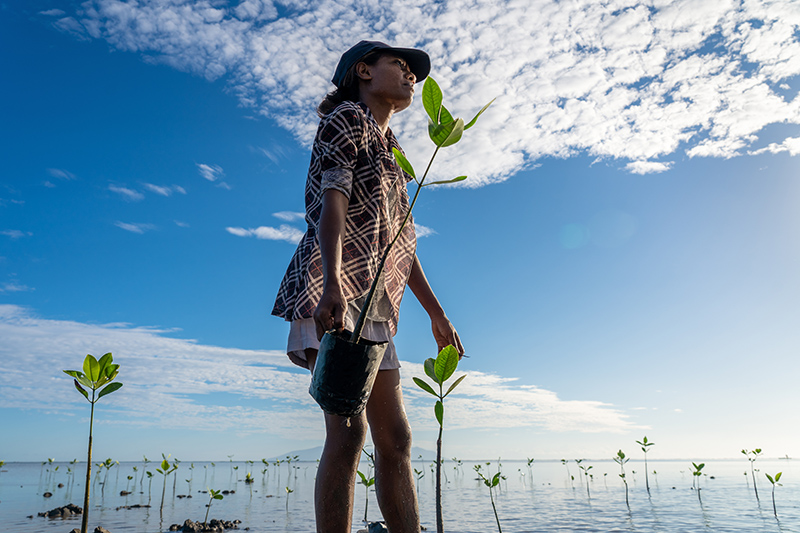
The UN Climate Conference – COP26 – has wrapped up in Glasgow, with a new agreement to limit global heating. It has been described by UN Secretary-General António Guterres as an important step, “but not enough.” “We must accelerate climate action to keep alive the goal of limiting global temperature rise to 1.5 degrees,” he said. 1.5 is the biggest small number of our lifetime. Scientific consensus says we cannot have a healthy planet with a temperature increase higher than 1.5°C. We are already at 1.2°C.
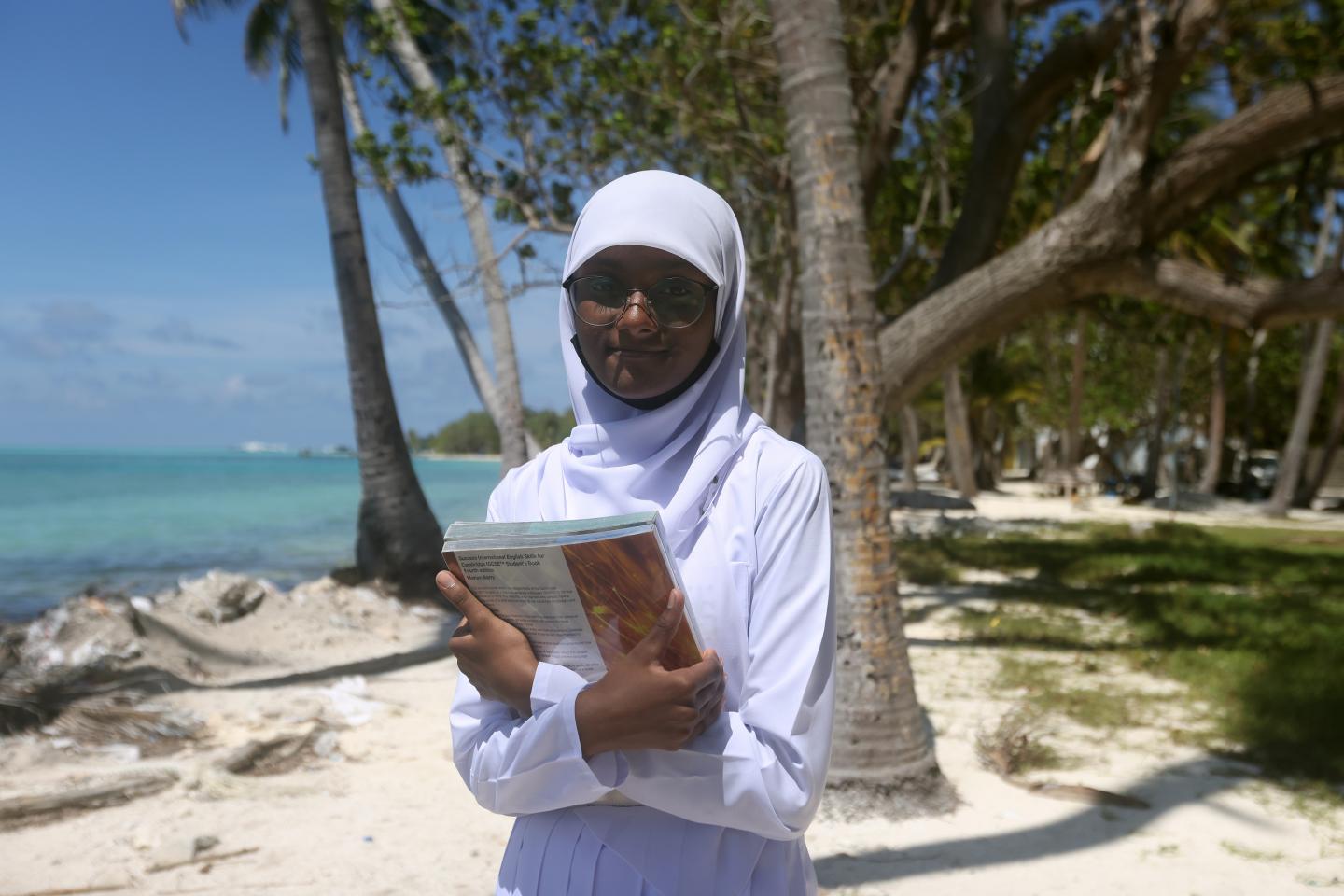
“When there are floods, we take our shoes and socks off and put them in our school bags,” says Fathimath. “We have to wade through the water to our classrooms.” Fathimath’s school is on a small island about a 45-minute boat ride from Male, the capital of Maldives – and just 30 metres from the ocean. The only thing protecting the school from rising sea levels are a handful of coconut palms, some of which have already collapsed into the sea, and a line of sandbags packed under the school’s main gate. Even with this precaution, the area still floods a few times a year, covering the school courtyard.
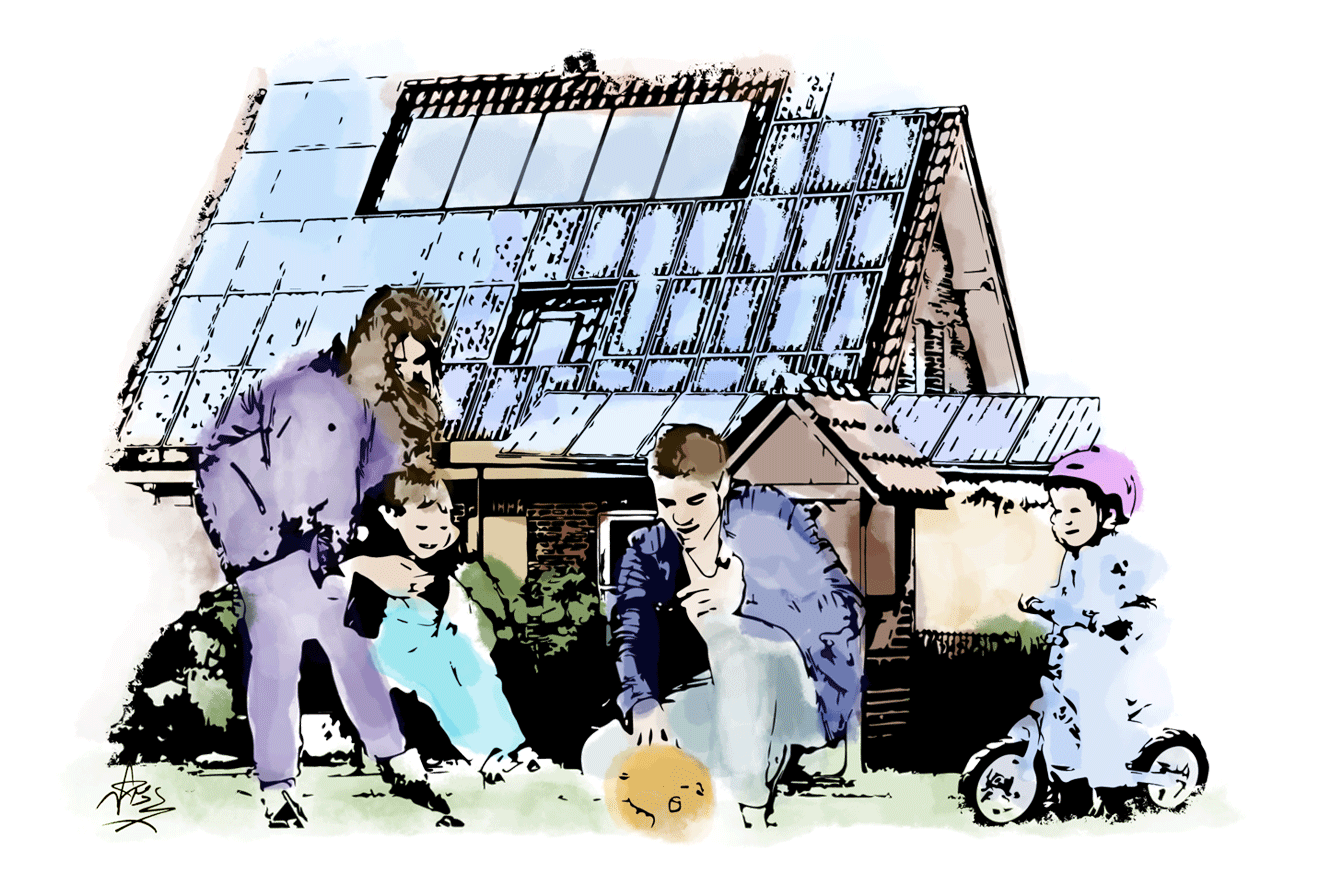
The theme for this year’s World Habitat Day, Accelerating Urban Action for a Carbon-Free World, recognizes that cities are responsible for some 70 percent of global carbon dioxide emissions with transport, buildings, energy, and waste management accounting for the bulk of urban greenhouse gas emissions. Events and activities during World Habitat Day will explore how national, regional and local governments and organizations, communities, academic institutions, the private sector and all relevant stakeholders can work together to create sustainable, carbon-neutral, inclusive cities and towns.
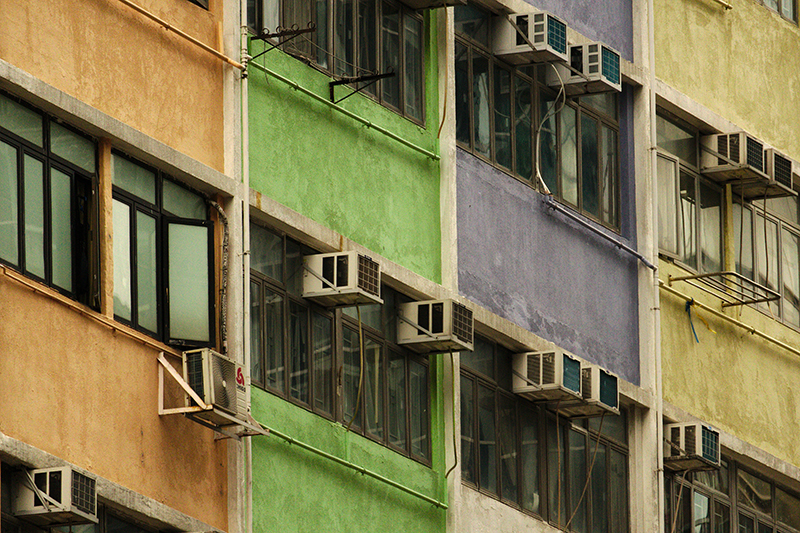
Malaysia is helping to protect the ozone layer by taking measures to control total global production and consumption of substances that deplete it.
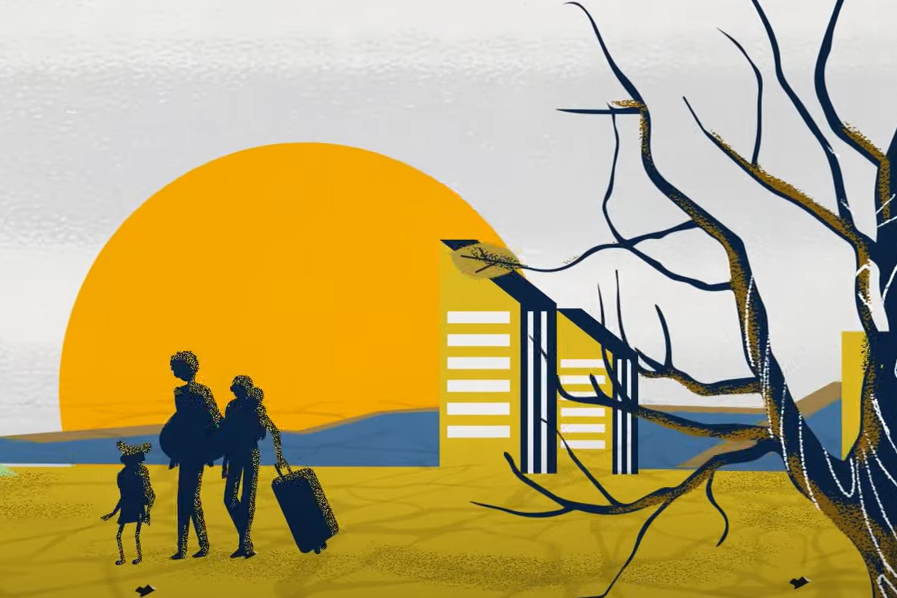
People pack up and leave their homes for many reasons – economic, social, political – and these drivers are often interconnected. A more complete picture of patterns of mobility must now include those moving due to climate change – a trend expected to increase over time - as people journey from one part of their countries to another. Over 216 million people could move within their countries by 2050 across six regions, according to the World Bank’s latest Groundswell report.
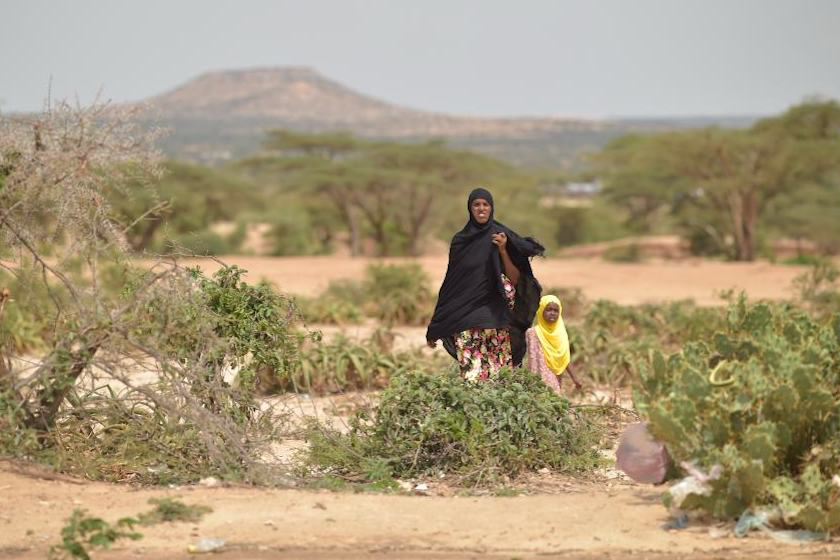
No one escapes the harrowing, heartbreaking consequences of climate change, and the number of people needing humanitarian assistance will double by 2030 because of it. This isn’t a competition on who suffers most when nature responds violently to the abuses perpetrated by mankind. But vulnerable and marginalized groups like women – who make up the majority of the global poor and whose livelihoods are largely dependent on natural resources among other risk factors – are exposed to particular calamities.